




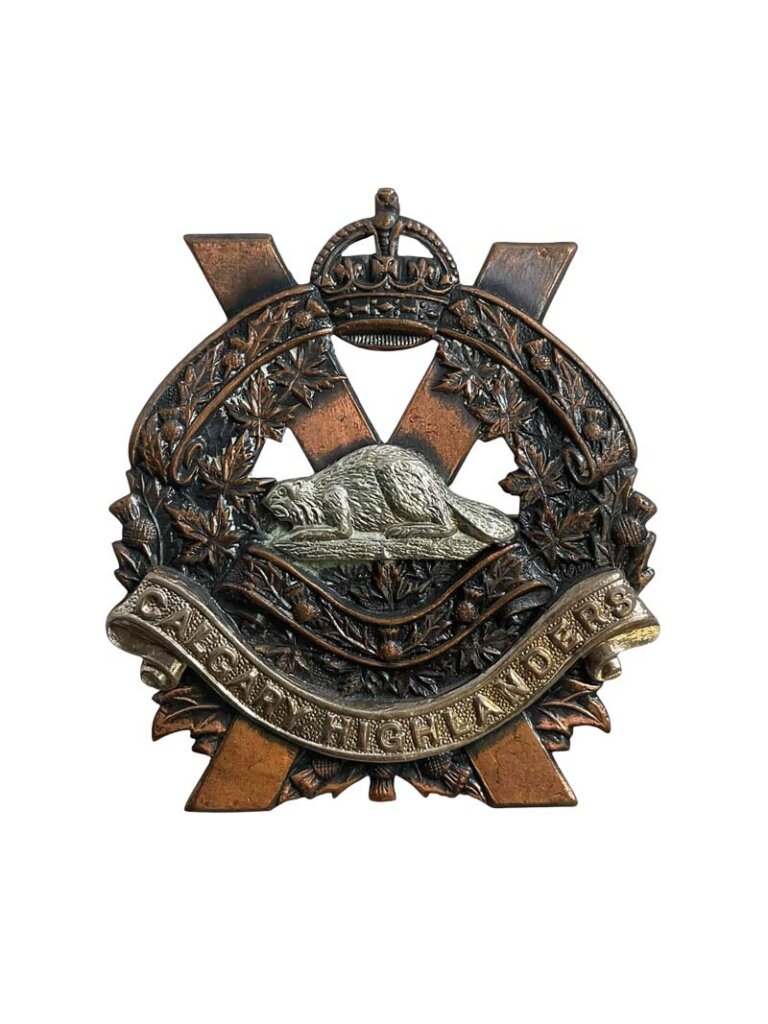
[The Calgary Highlanders (AI enhanced)]
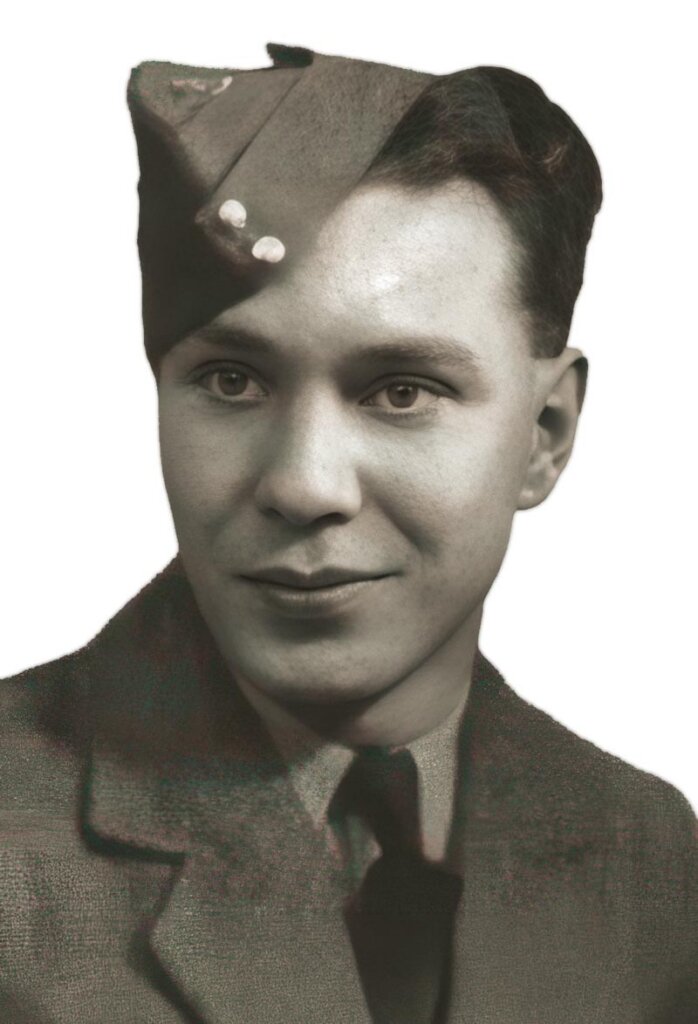
Sergeant Clarence Kenneth Crockett of The Calgary Highlanders [militaryantiquestoronto.com]
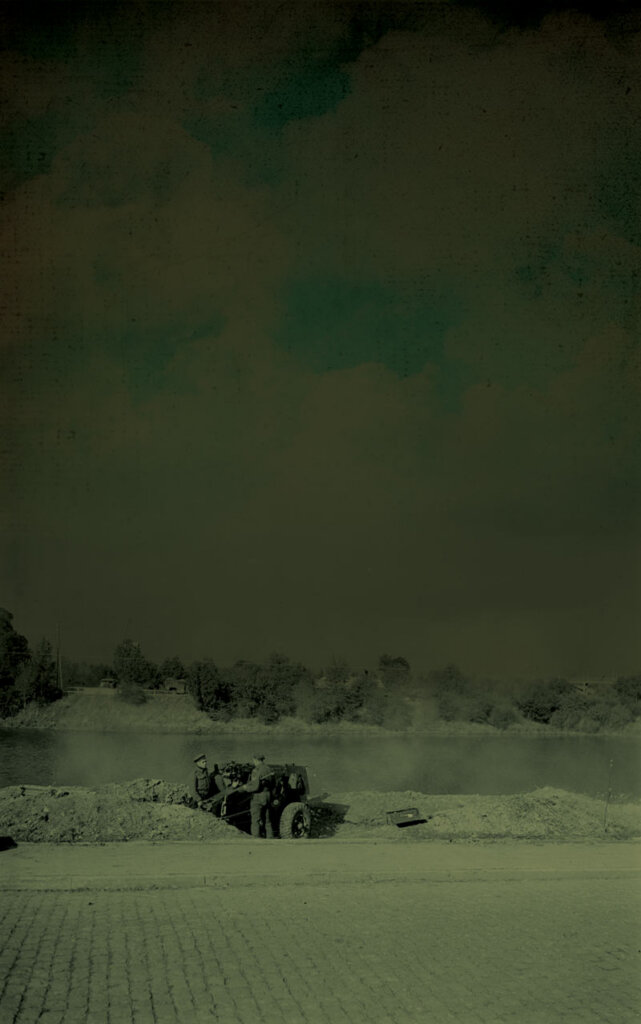
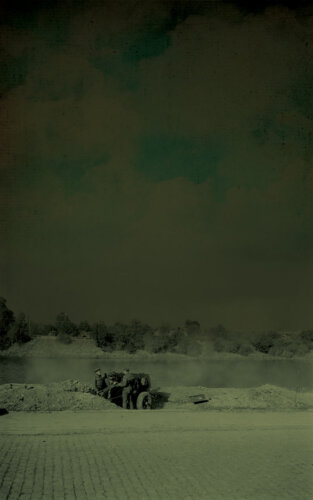
Canadian soldiers fire on German positions near the Scheldt River in fall 1944. [Ken Bell/DND/LAC/PA-145567]
In fall 1944, First Canadian Army had been assigned to clear the Scheldt estuary of Germans to allow shipping to proceed to the Port of Antwerp. The Allies—British, Canadian and American—had virtually outrun their supply lines; their ammunition, food and other essentials were still coming all the way from the beaches of Normandy by Red Ball trucks. The British had liberated Antwerp’s port at the start of September, but the waterway from the North Sea to Belgium’s second-largest city was guarded by the Germans and mined. Unless the enemy was cleared out, Antwerp—one of the largest ports in northwest Europe—was essentially useless to the Allies.
To advance up the east side of the estuary, 2nd Canadian Infantry Division would have to cross the Albert Canal. That job was given to 5th Canadian Infantry Brigade, which included The Black Watch (Royal Highland Regiment) of Canada and Le Régiment de Maisonneuve from Montreal and The Calgary Highlanders.
The Black Watch were the first to attack the crossing in the early morning hours of Sept. 21. They ran into stiff opposition and were forced back. Next, The Calgary Highlanders took a crack later that night, led by Sergeant Clarence Kenneth Crockett. The 25-year-old from Nanton, Alta., had been described by his company commander as “one of those ideal wartime [non-commissioned officers]—bright, very strong physically and aggressive.”
The plan drawn up by ‘C’ Company headquarters was for Crockett to lead a contingent of nine men across the gate of a partially destroyed lock at night, remove any barriers the Germans had placed on the north side of the gate and establish themselves in a small perimeter on the enemy side of the canal. Then, the rest of ‘C’ Company would follow.
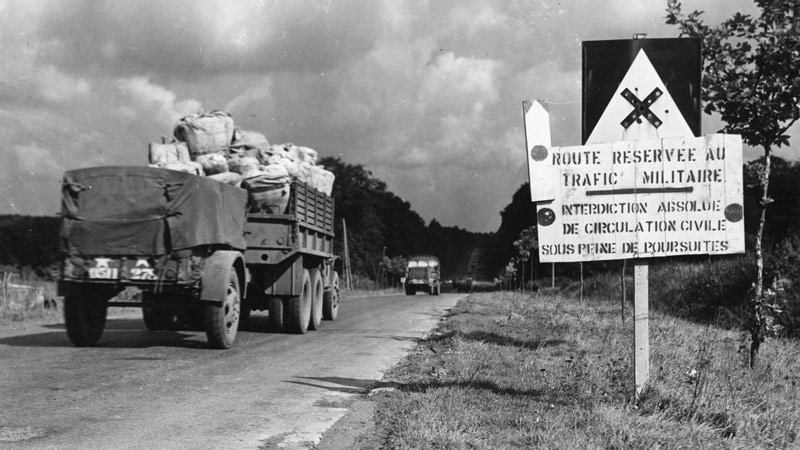
Red Ball trucks move Allied supplies through northwest Europe. [warfarehistorynetwork.com]
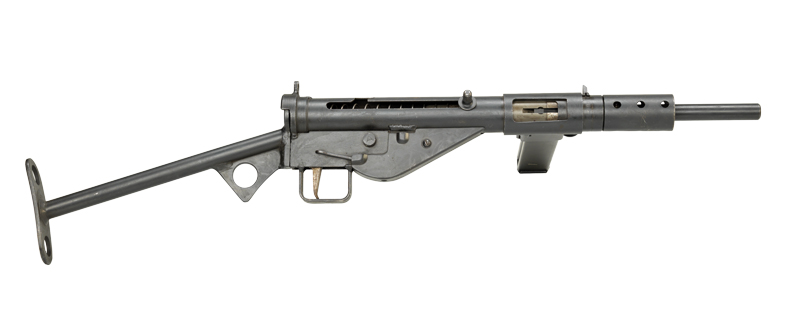
Crockett’s small party had seven Sten guns. [CWM/19920007-010]
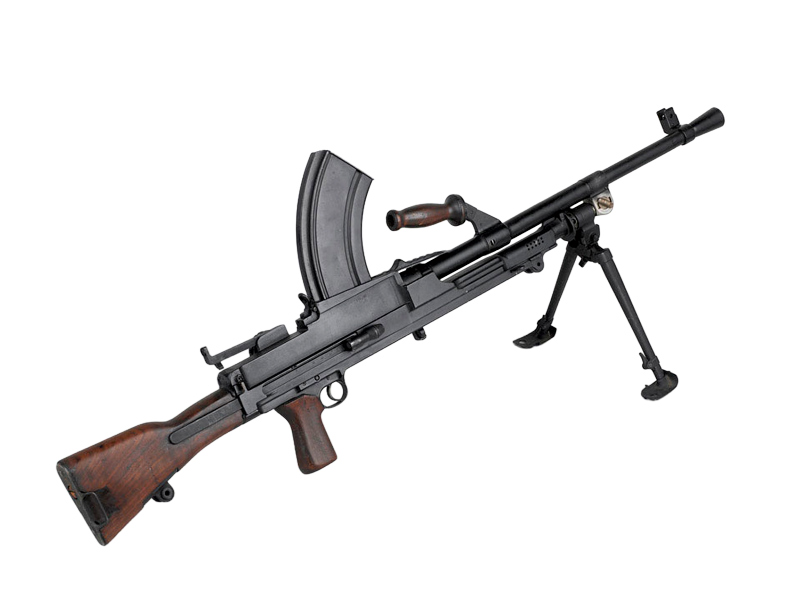
Bren gun [U.K. National Army Museum/NAM.1964-05-60-10]
The greatest obstacle Crockett faced: crossing the heavily damaged lock gate in the darkness. The south portion of the gate—a half-metre-wide walkway—was more or less intact. But the other side had been reduced to a single, 15-centimetre-wide pipe and part of a handrail.
Crockett had dysentery, but accepted the assignment. Each man in his section doffed their combat boots and put on a pair of sneakers. Crockett and seven of the men took Sten guns (a British manufactured submachine gun of uneven quality), while the other two carried Bren guns (a light machine gun). One man also had a two-inch mortar, another carried a No. 38 radio and a third carried a PIAT (Projector, Infantry, Anti Tank) launcher. Each also had two or three bandoliers of ammunition.
Crockett knew that absolute silence would be the key to success as he and his men set off across the half-destroyed lock gate. Before they departed, he told his men: “if the flare goes up, no matter where we are at, you get as low as you can and don’t move…nobody fires until I tell you. There is a possibility that we are going to get caught on the lock gates.”
Company commander F.H. (Franko) Baker met the men at the edge of the canal, gave a few last-minute instructions, then at 1:30 a.m. on Sept. 22, Crockett moved out onto the lock gate alone.
He crept forward and reached a small island in the middle of the canal. Then he returned to beckon the rest of the patrol to follow him. Corporal Ralph A. Harold followed Crockett closely.
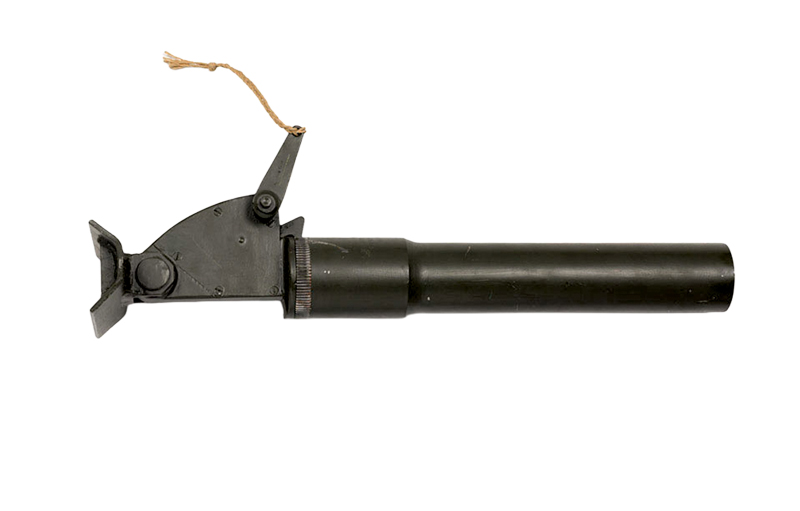
Two-inch mortar [U.K. National Army Museum/NAM.1982-07-84-1]
Inching ahead, Crockett stopped at the damaged portion of the gate and told the others to stay put. He moved cautiously to the north side of the canal.
The footing on the pipe was hazardous and, to make matters worse, a light drizzle had started to fall. Crockett slung his Sten gun on his back and used both hands to hold the partly demolished rail. He reached the far side and found a barbed wire barrier. After Harold joined him, they moved it aside. The others began moving across the pipe.
At the starting point, Baker and a small group of men waited anxiously.
“Not a sound was heard for many long minutes while we strained to follow Crockett’s progress across the lock gates,” Lieutenant Harold Norman Holmgren, the platoon leader, recalled of those tense moments. “Then suddenly a flare lit the canal.”
At virtually the same moment, Crockett heard a challenge in German. The men on the pipe froze; German machine guns opened up. One of Cockett’s men was hit. The others quickly scampered to join Crockett and Harold, who directed them into some tall grass near the edge of the canal.
Yelling “give them shit,” Crockett returned fire. He killed a German sentry with his Sten gun and charged the nearest German machine gun, silencing it. Then he and Private I.P. MacDonald, who had been carrying the PIAT, crawled to a spot from where they could fire at another German emplacement inside a nearby building. MacDonald launched two projectiles at the position, destroying a machine gun there with his second shot.
Crockett and another man then set up the two-inch mortar and fired repeatedly at a third German post until it was destroyed.
Meanwhile, Harold crawled to the man who had been wounded. He was sprawled near the canal, bullets cracking past in the air and ricochetting off the ground. Harold bandaged him then attended to three other men. He and Private Ernest Myer led them to the lock gates and helped them cross back over the canal to where stretcher-bearers waited.
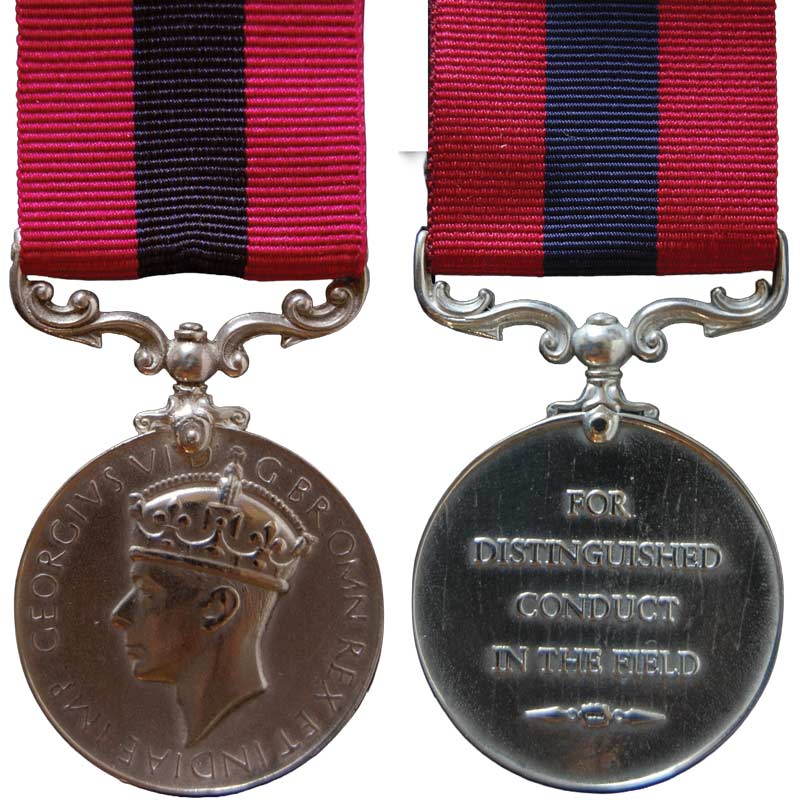
Crockett was awarded the Distinguished Conduct Medal for his role in leading the Canadians across the Albert Canal. [CWM/19900076-675]
“There is a possibility that we are going to get caught on the lock gates.”
Back on the north side of the canal, Crockett and the remaining men fired a storm of bullets and their ammunition began to run low. Crockett moved to the radio man and told him to send a message that they badly needed more ammo. The radio man said he had lost the antenna. Crockett shook him and told him that their lives depended on it. As German bullets snapped past, the two crawled around in the grass until they found the missing part, attached it and sent the message.
The rest of Crockett’s platoon then scrambled over the lock gates and provided cover for all of ‘C’ Company to join them. Soon, The Calgary Highlanders were over the canal and they wiped out the remaining Germans. The brigade made ready to follow and advance north.
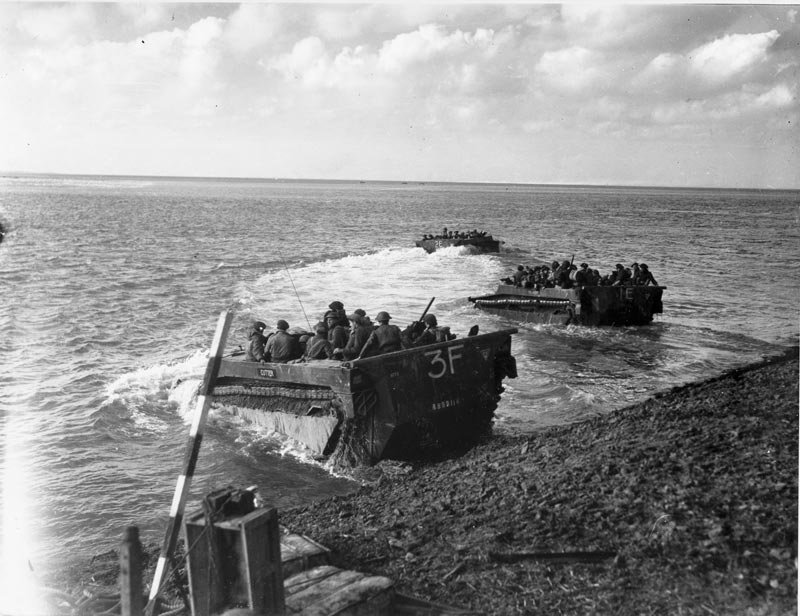
Canadian troops cross the Scheldt River in Buffalo amphibious vehicles. [Wikimedia]
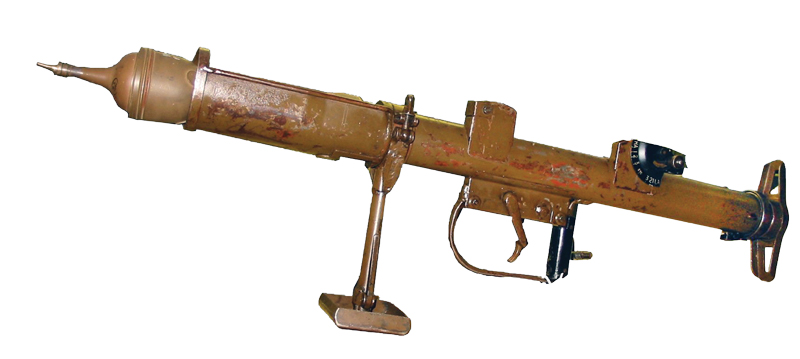
PIAT launcher [Donald I Grant/DND/LAC/PA-136754]
The brigade commander recommended Crockett for the Victoria Cross, but it was judged that “the importance of the whole engagement did not warrant such a decoration.” He was awarded the Distinguished Conduct Medal instead. Regardless, the engagement was a critical moment in clearing the Scheldt estuary
and opening the Port of Antwerp.
Advertisement