

1 July 1867
The first four provinces—New Brunswick, Nova Scotia, Ontario and Quebec—form the Dominion of Canada under the British North America Act. Despite numerous bilateral agreements with the Crown, Indigenous Peoples aren’t invited to take part in the discussions leading to Confederation.
1-2 July 1937
The Mackenzie-Papineau Battalion of the XVth International Brigade is brought to full strength and deemed operational for combat in the Spanish Civil War.
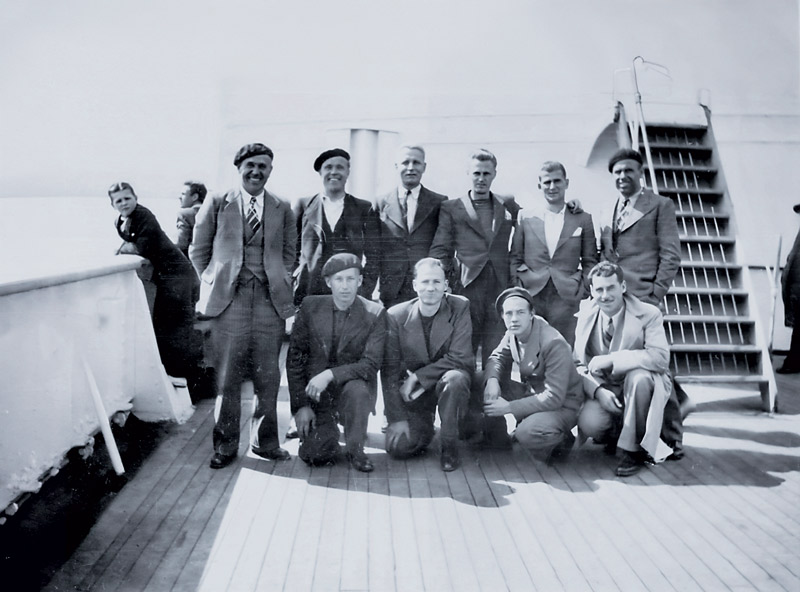
Credit: Mackenzie-Papineau Battalion/LAC/e002712810
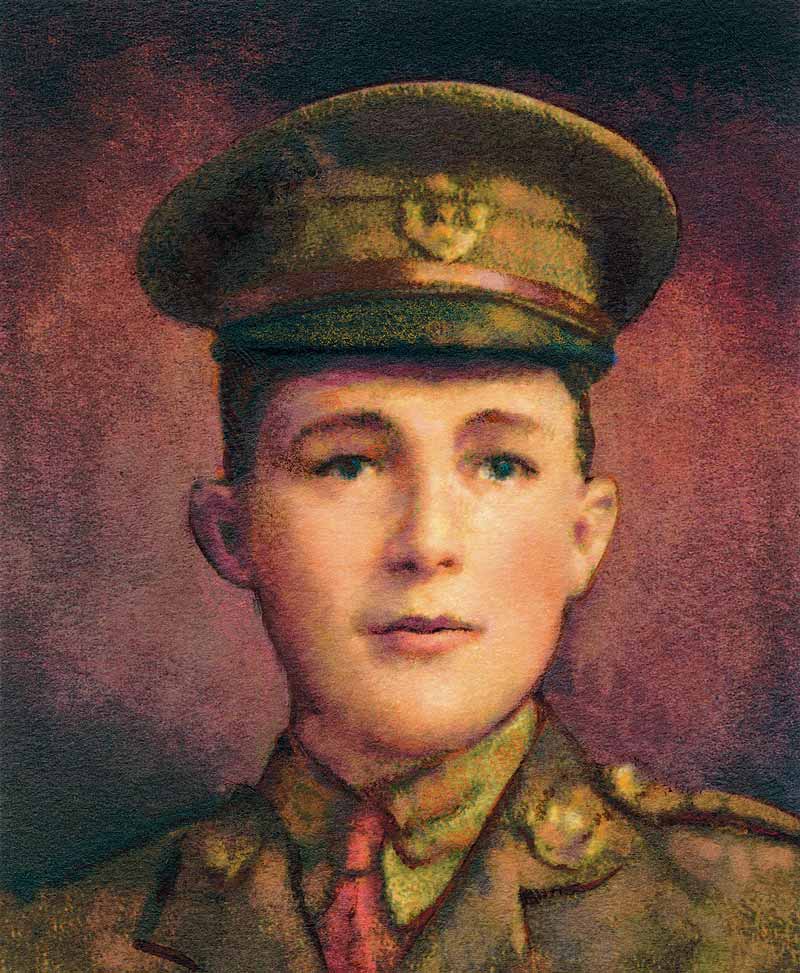
5 July 1916
Lieut. Thomas Wilkinson uses an abandoned machine gun during the Battle of the Somme to hold the enemy until relieved. Later that day, he mounts the gun and disperses the enemy to free up an Allied advance. Wilkinson is eventually killed going to aid a wounded man and is posthumously awarded the Victoria Cross.
Credit: Sharif Tarabay
6 July 1942
Anne Frank’s family goes into hiding in the attic of an Amsterdam warehouse.
7 July 2011
Canada’s combat mission in Afghanistan ends, handing over command of the Task Force Kandahar area to the U.S. army.
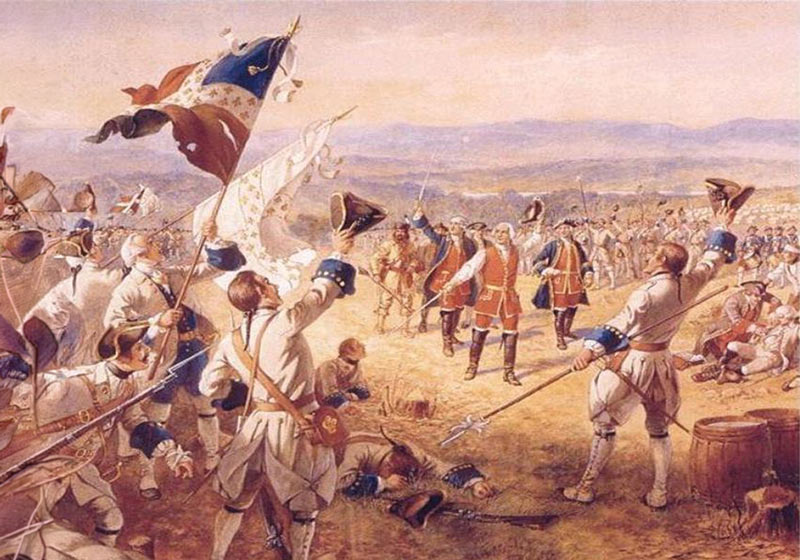
8 July 1758
French forces led by General Louis-Joseph de Montcalm defeat a British and American attack at Fort Carillon on the shores of Lake Champlain during the Seven Years’ War.
Credit: Henry Alexander Ogden/Wikimedia
14 July 1915
The first aircraft built on a Canadian production line, the Curtiss JN-3 trainer, takes its maiden flight in Toronto.
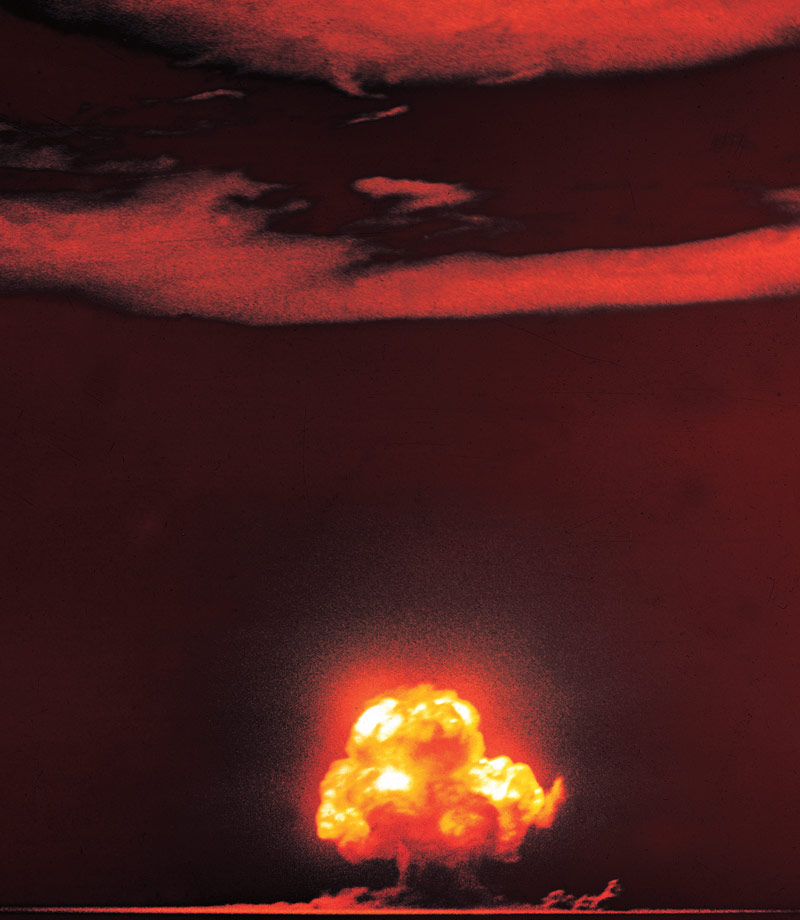
16 July 1945
The U.S. army detonates the first atomic bomb, code-named Trinity, in New Mexico as part of the Manhattan Project.
Credit: LIFE Photo Archive/Wikimedia
18 July 2010
MCpl. Paul Douglas Mitchell puts himself in danger for a second time in Afghanistan to save others and repel enemy attacks, providing machine-gun cover so comrades could reach safety. He is awarded the Medal of Military Valour.
20 July 1974
Turkey invades Cyprus. That summer, three Canadian peacekeepers are killed and 17 more are wounded.
24 July 1917
The Military Service Act is passed in the House of Commons, and conscription becomes law in August.
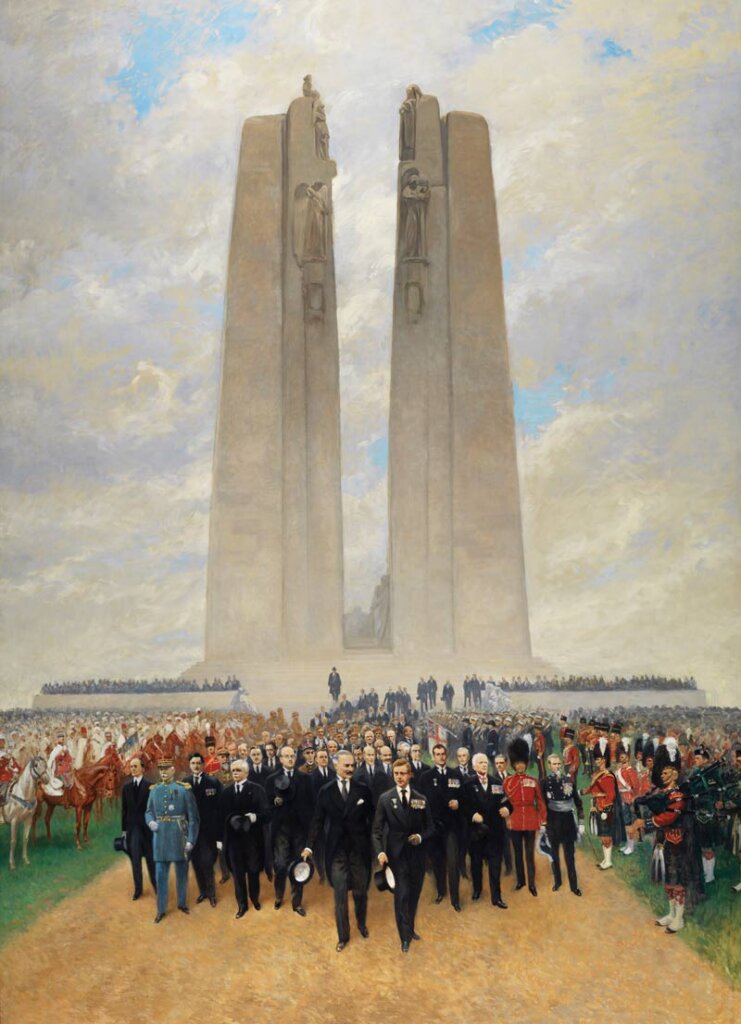
26 July 1936
King Edward VIII unveils the Canadian National Vimy Memorial near Arras, France. The memorial stands as a testament to Canada’s sacrifice during the First World War and, particularly, soldiers with no known graves.
Credit: Georges Scott/CWM/19670070-014
27 July 1953
The Korean Armistice Agreement is signed, formally ending three years of fighting. More than 26,000 Canadian Forces personnel served in the conflict; 516 died.
28 July 1914
Following the assassination of Archduke Franz Ferdinand, Austria-Hungary declares war on Serbia, beginning the First World War.
31 July 1942
Depth charges from HMC ships Skeena and Wetaskiwin sink U-588 in the mid-Atlantic.
Advertisement