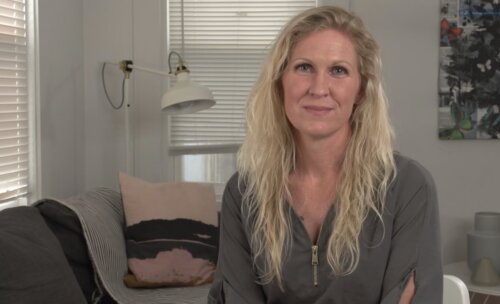

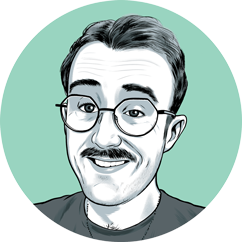
Retired captain Vanessa Larter is one of several veterans who shared observations on post-service life with The Canadian Virtual Hospice. [shapedbyservice.ca]
The Canadian Virtual Hospice—a free, online, bilingual platform that provides information and support relating to advanced illness, palliative care and grief—has launched a digital space dedicated to the needs of veterans and their families. The website, ShapedByService.ca, explores the numerous forms of loss that might affect former and active members of the Canadian Armed Forces or RCMP—and outlines strategies to navigate it.
“There’s definitely grief tied up in a lot of things that veterans might experience,” said the organization’s former director of operations Cheryl Cameron. “There’s loss of career when you’re transitioning out of the military or RCMP; loss of function if you’ve had an injury; or loss of comrades if you’ve had colleagues who died.”
Such topics, and many more, have since been highlighted across 200 pages of content exploring 13 thematic areas that extend far beyond bereavement. Considered an accompaniment to—as opposed to a substitute for—formal counselling and other health services, the online tool draws on the expertise of grief and trauma specialists, destigmatizing and normalizing grief while giving a voice to those who encounter it.
Notably, the hospice team conducted more than 75 phone and video interviews with veterans and families whose lived experience helped inform the site. From these, more than 650 candid clips are now embedded throughout the modules and consolidated in a gallery searchable by person or topic.
Accessibility was of equal importance, added Cameron. “This is an online tool that people can Google, that they can find at three in the morning.”

Here, in a Legion Magazine exclusive, Cameron explains what visitors can expect.
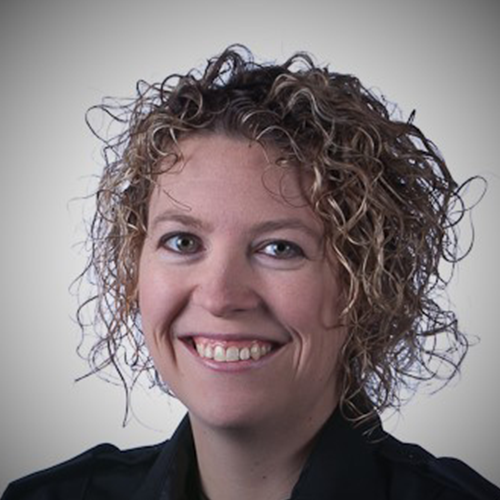
Cheryl Cameron is the former director of operations of the Canadian Virtual Hospice. [canadianparamedicineresearch.ca]
On society’s understanding of grief
There’s lots going on in the veteran population around PTSD and operational stress injuries (OSI). But as a society, we’re really grief illiterate.
When people talk about grief, some of the things you hear people say, like, “oh, it’s been so long,” or “I shouldn’t be feeling this way,” really show a misunderstanding about what grief actually is, and I don’t think we do a good job, as a society, of supporting each other in grief. It’s a really uncomfortable place, but it’s a natural part of the human experience.
Grief is really a response to a loss. That loss doesn’t necessarily have to be a person. It can be financial, housing or identity loss. The latter is a big thing in a lot of professions, especially the military, RCMP, paramedicine and firefighting, where a huge amount of one’s identity becomes embedded in the profession—and it can be quite a treacherous cliff.
On the new website
This opportunity came up to address gaps, supported by the well-being fund from Veterans Affairs Canada.
The website is set up both for veterans and families. The content is organized into veteran-facing and family-facing sections. For example, if you’re a veteran, you would go to the veteran page and see the different topics arranged there: living with loss and grief; grief and trauma; losses during service; the death of a colleague; coping with loss to suicide; transition from service and more. You then have modules that are specifically focused on families, such as when a family member dies in service. Both families and veterans have access to both sides of the experience, which I think is important.
All our resources are really framed in a way that grief is a very individual experience. There aren’t pieces that say, “this is the way you should be grieving” or “this is what grief always looks like.” It’s simply that these are some of the things you might be experiencing.
On collaborating with veterans, families and specialists
The Canadian Virtual Hospice is informed by the population that the resource is designed to serve. We engage people early in the process, learning from their experiences, and letting that drive what the resource ends up looking like.
We’ve worked with dozens of veterans and family members, from those who did confidential interviews to those who engaged in a pilot grief support group, and then to people who did video interviews and reviewed the content.
It’s been a real privilege to hear those stories and for people to tell us what they’ve been experiencing—from things that have and haven’t worked for them to where there are opportunities and potential gaps.
We also worked with an amazing team of experts and specialists in palliative care, and in this case, we were fortunate to work with experts within the veteran community who could take stories and weave them into expert-grounded content.
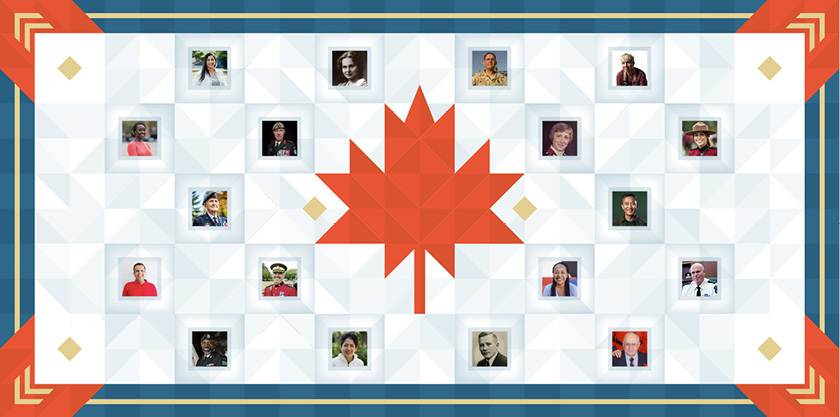
The virtual Honouring Duty and Saluting Service Quilt. [courtesy Canadian Virtual Hospice]
On the digital veterans’ quilt
We also have the Honouring Duty and Saluting Service Quilt. It’s a digital space where people can create a quilt square for someone they’d like to recognize.
A lot of what we heard from veterans during our interviews was related to the current ways that people can be memorialized, noting that there are some rules that end up excluding some people. For example, we heard from families where their family member had died by suicide, where wreaths hadn’t been placed for them and their names were not included on honour rolls. We were hearing these stories where there was a lack of closure for families. The quilt is one way to address that.
There’s also an opportunity to honour service before someone has died. The focus isn’t just on veterans who have passed away, but for anybody who would like to honour the service of someone by creating a square.
Veterans can even create a square for themselves if they would like, telling the stories and putting up the pictures they want.
It’s something where people who might be spread out geographically across the country can come together and collaborate.
On her hopes for the project
I hope that visitors see themselves, that they feel their experiences of grief are acknowledged. I also hope that they find some helpful strategies in areas they might be struggling with.
We know that experiences in one’s past don’t always stay there. Some of it is potentially a lack of recognition that what they’re feeling might not be PTSD or trauma—it might be grief. Recognizing that then opens a whole set of ways to reframe things, as well as opportunities for approaching things from a different place. I hope that light bulb comes on for people here.
This interview has been edited for brevity and clarity.
Advertisement