
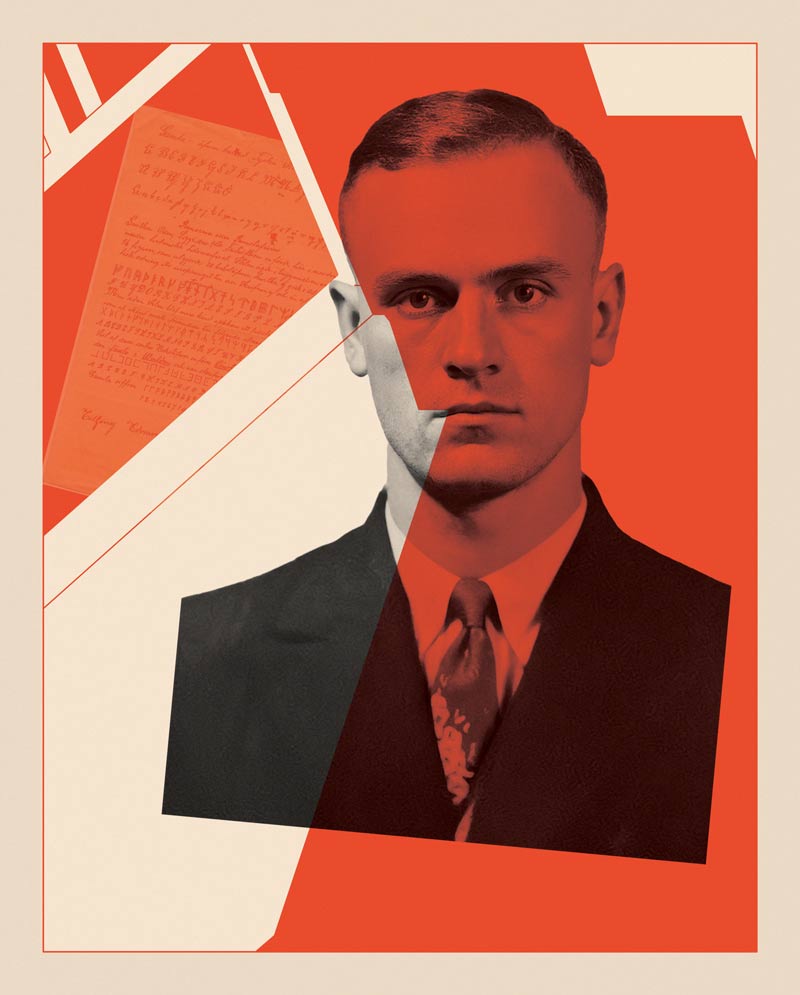
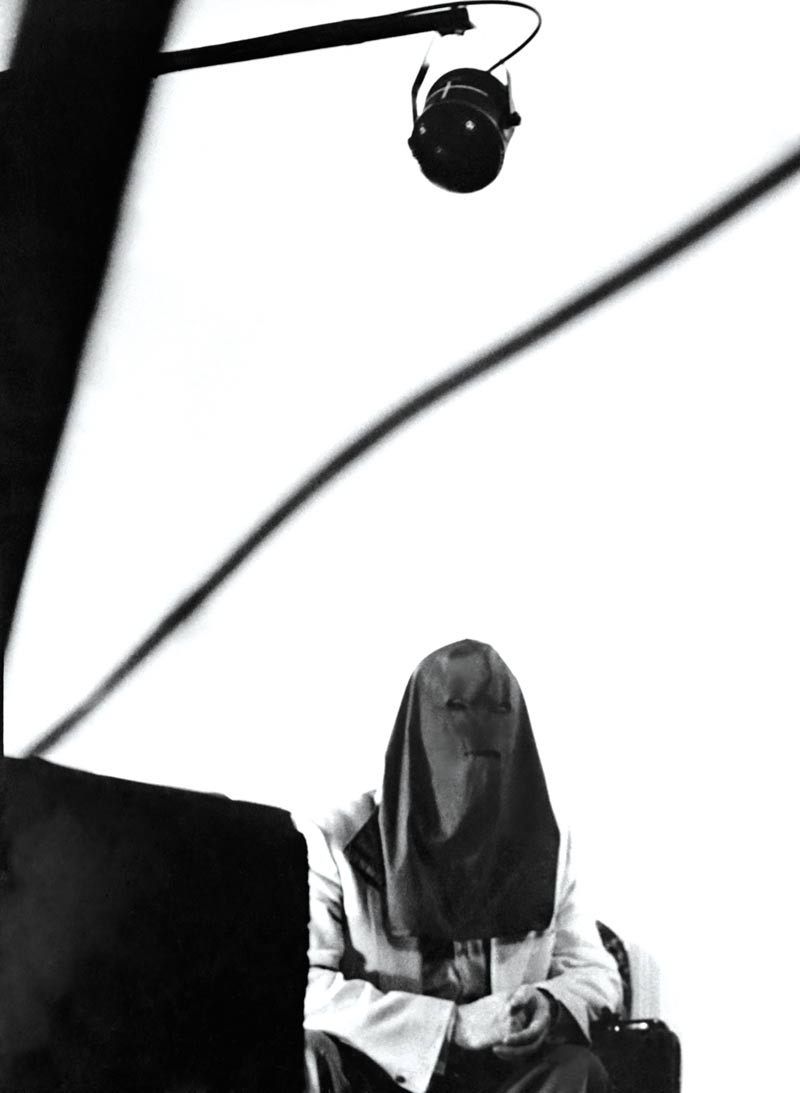
Soviet cipher clerk Igor Gouzenko (top, under wraps during a 1954 TV appearance) revealed an elaborate spy ring when he defected to Canada in September 1945. [AFP/Stringer/Getty Images/149907666; Wikimedia (AI enhanced)]
Lieutenant Igor Gouzenko of the Red Army left the Soviet Embassy in Ottawa on the night of Sept. 5, 1945, with a sheaf of documents hidden under his clothing. Gouzenko was a cipher officer handling traffic between the GRU, Soviet military intelligence located in Moscow, and the embassy, and the files included evidence of Soviet spying activities in Canada. Moreover, Gouzenko identified traitors in the U.S. and Britain.
Equally important, Gouzenko understood how GRU codes worked, something of inestimable value. There had been Soviet defectors before, but Gouzenko was the first in the immediate aftermath of the Second World War, and this courageous but frightened young man’s actions might be considered to have started the Cold War.
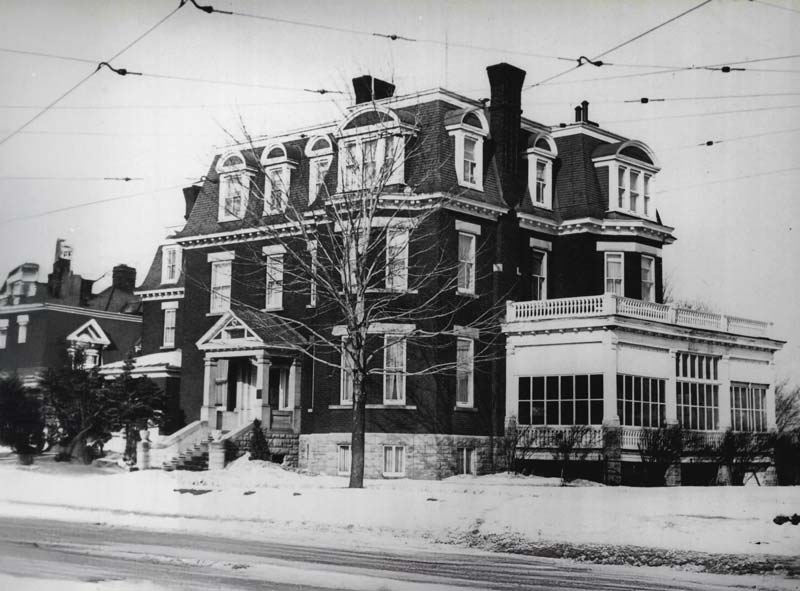
The Soviet Embassy in Ottawa in 1946. [Shawshots/Alamy/2G20B5G]
The Second World War had ended days before, following the atomic bombing of Hiroshima and Nagasaki in early August and Japan’s official surrender on Sept. 2. The great powers—the U.S., the U.K. and the U.S.S.R.—had met earlier that year at Yalta in Crimea and Potsdam in Germany to discuss postwar reorganization, albeit amid increasing tensions between them. The triumphant Americans were elbowing a battered Britain out of global influence, while the Soviets were beginning to consolidate a hold over eastern Europe after driving the Nazis out. Suspicion of each other’s motives was starting to overtake the hopes for peace and Gouzenko’s revelations furthered the mistrust.
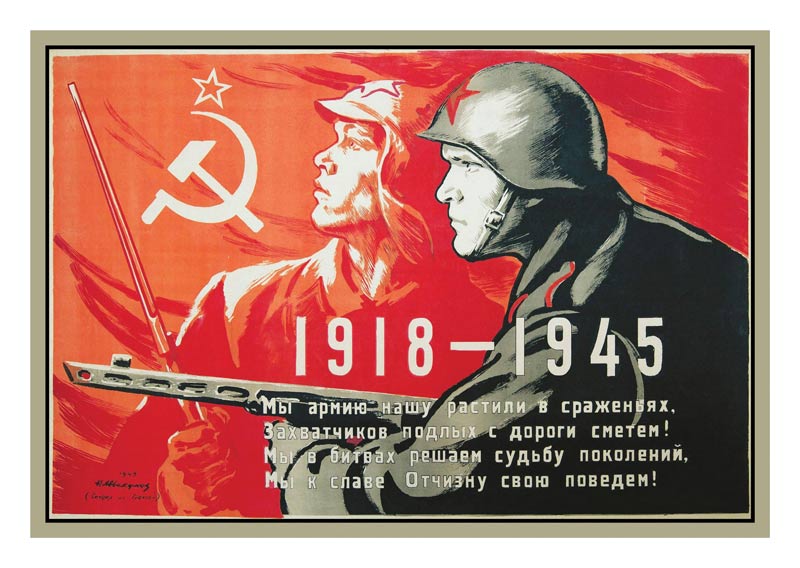
A WW II-era Soviet propaganda poster (above).[SuperStock/Alamy/2HX4TTH]
For Canada, Gouzenko’s defection led to the creation of the Royal Commission to Investigate the Facts Relating to and the Circumstances Surrounding the Communication, by Public Officials and Other Persons in Positions of Trust of Secret and Confidential Information to Agents of a Foreign Power. It prompted the arrest and incarceration of suspects and subsequent trials for many of them. The commission’s actions and its report forced the Canadian government to create a security regime that involved the vetting of public servants, led to increased security in the U.S. and Britain and created a furor among civil libertarians. Igor Gouzenko changed Canada and the world.
At first, however, Gouzenko had difficulty finding anyone to listen to him. He had been impressed with the freedoms Canadians enjoyed, he told the commission, including how openly citizens discussed issues during the 1945 election. Gouzenko must also have been awed by the freedom of the press because he initially took his secrets to the Ottawa Journal. An editor there told Gouzenko he should go to the Justice Department. By then, it was late evening, no key Justice staff were on duty, and he was sent away. Fearful that Soviet embassy staff would come after him, Gouzenko returned to his apartment. He, his wife and child eventually stayed at a neighbour’s flat. Word had filtered to the Department of External Affairs, and two Mounties and an Ottawa policeman were sent to watch the Gouzenko residence. When Soviet Embassy heavies arrived and broke into his apartment, the policeman sent them away. By Sept. 7, the Gouzenkos and the documents were in a safe place.
“I thought that [Gouzenko] had done a great service,” said King in July 1946. “I appreciated his manliness, his courage and standing for the right.”
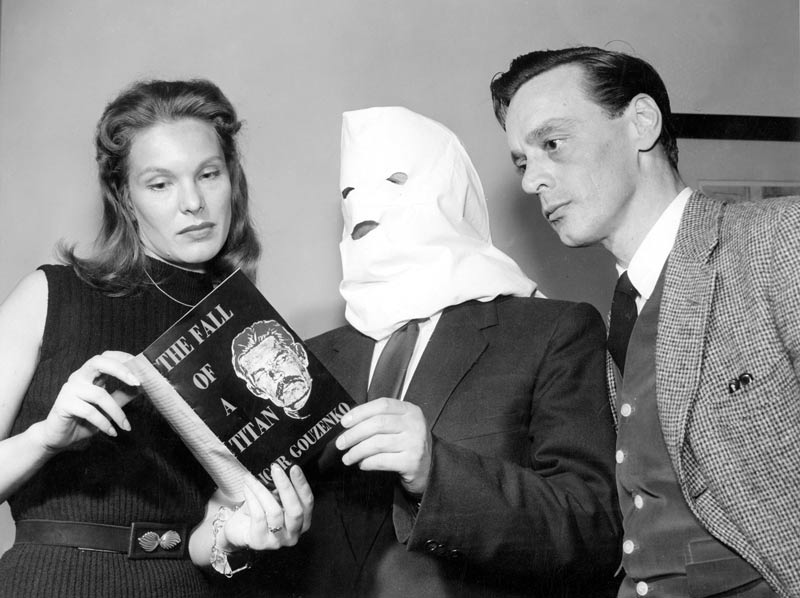
A hooded Gouzenko poses for an April 1954 photo with actors Irja Jensen and Harry Townes, stars of the film Operation Manhunt about his defection.[Montreal Star/LAC/PA-129625]
Norman Robertson, the undersecretary of state for External Affairs, had briefed Prime Minister Mackenzie King on the 6th. Both were horrified by what had happened. The Soviets were allies, and King, skeptical of Gouzenko, didn’t want to see good relations broken by any hasty Canadian actions. But as the Gouzenko documents were translated, the scale and scope of Soviet espionage became clearer. There were men and women, civil servants, scientists, military officers and even a member of Parliament involved. Soon, the British and American secret services were contacted to help the RCMP, inexperienced in such investigations.
During the probe, Gouzenko divulged further details. A British atomic scientist working with scientists at McGill University in Montreal was involved and a small amount of uranium-233 and -235 had been sent to Moscow. Details of U.S. and Canadian troop movements and plans, and military production had been compromised, as had the details of the almost-complete nuclear plant at Chalk River, Ont.
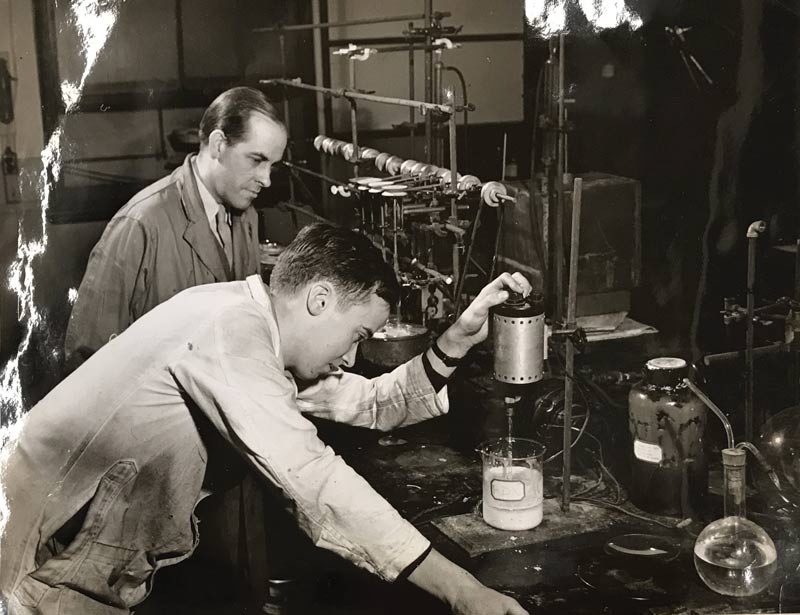
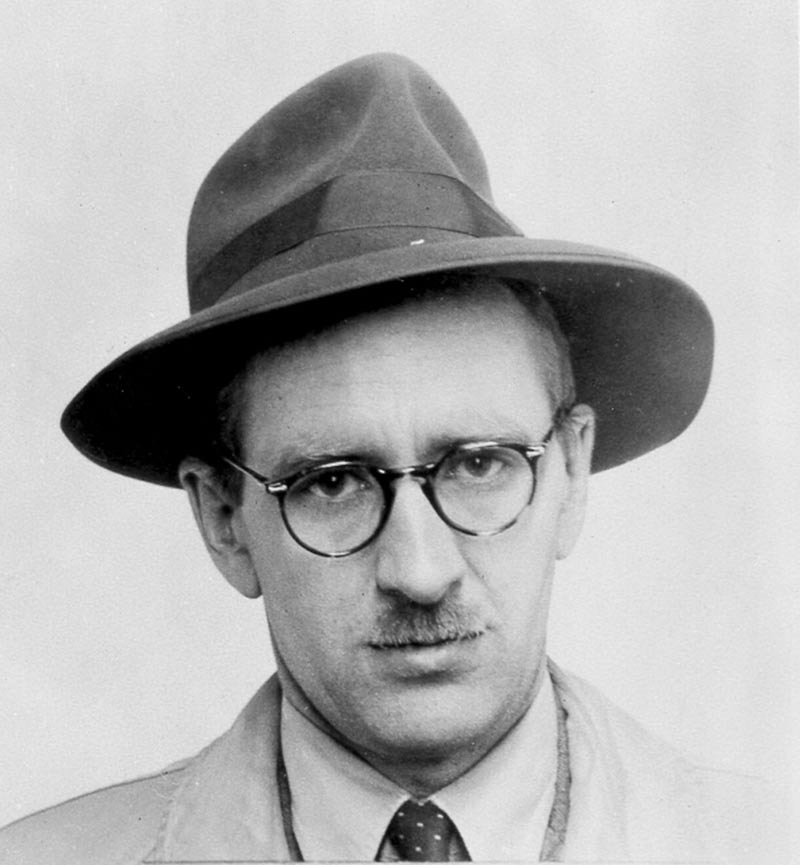
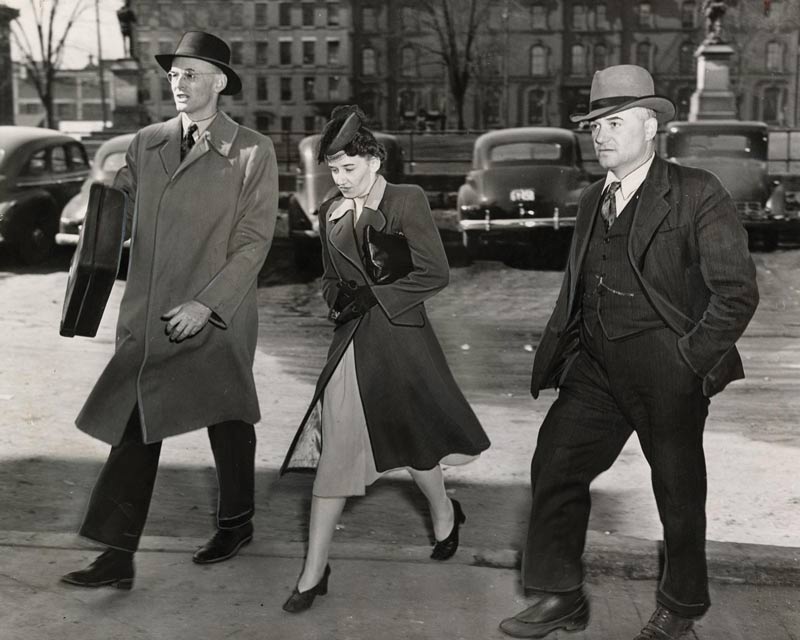
Raymond Boyer and Durnford Smith of the National Research Council and Emma Woikin, a code clerk at External Affairs, were among the first Canadians arrested in connection with the espionage commission.[ McGill University Archives/National Film Board; historyofrights.ca; Toronto Star Photograph Archive/ Toronto Public Library/Wikimedia]
Canada now realized this was a very serious issue, and King decided he must discuss the matter with U.S. President Harry S. Truman and British Prime Minister Clement Atlee. But still, everything had to remain secret without the cabinet, the media or the public learning of the espionage.
After months of consultations in Ottawa, London and Washington, as well as secret investigations, there was still no action in any of the capitals. There were worries about how to proceed—some doubted that the stolen documents would be admissible in court, while others were concerned the spy case might spark conflict with the Soviets.
Regardless, on Feb. 3, 1946, American syndicated print and radio columnist Drew Pearson broadcast the news that there had been a major spy ring uncovered in Ottawa. He had been tipped off, likely by the Federal Bureau of Investigation or someone in London anxious for action. Now the secret was out, and something had to be done.
Prime Minister King moved quickly. He informed cabinet of the matter on Feb. 5 and told his ministers that he had appointed Supreme Court justices Robert Taschereau and Roy Kellock to lead a royal commission that would begin in secret the next day. During the following week, the pair reviewed the documents Gouzenko had delivered from the Soviet Embassy; then for two days, they questioned Gouzenko. He made a positive impression.
By Feb. 14, the commissioners advised the government that many of those named in the documents should be taken into custody. Early the next day, 11 people were arrested, including: Raymond Boyer and Durnford Smith of the National Research Council; J. Scott Benning of the Department of Munitions and Supply; Emma Woikin, a code clerk at External Affairs; Gordon Lunan, an army officer at the Wartime Information Board; and Kathleen Willsher of the British High Commission staff.
That same day, King informed two Soviet Embassy officials of what was happening. By now, the media also knew. But few were prepared for what came next.
Moscow admitted publicly on Feb. 20 that some members of the military attaché’s staff had received secret information from Canadian nationals.
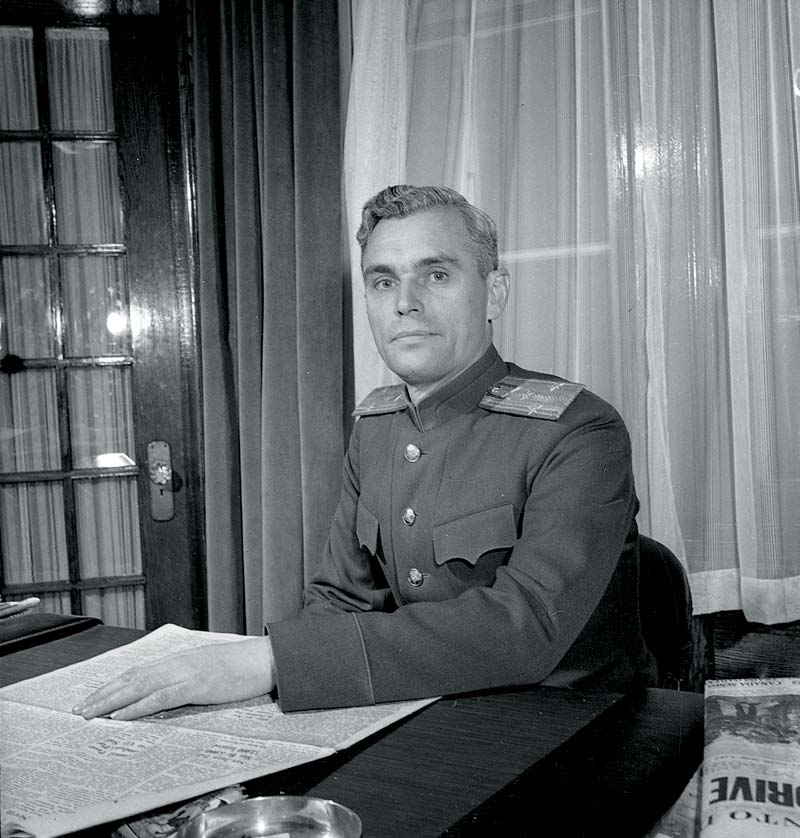
British atomic researcher Alan Nunn May was convicted of espionage in March 1946. [DND/LAC/PA-116421]
Most extraordinarily, Moscow admitted publicly on Feb. 20 that some members of the military attaché’s staff had received secret information from Canadian nationals. It was an admission of guilt, but inconsequential, the Soviets said, “in view of the advanced technical attainment in the U.S.S.R.”
In its first interim report, made public on March 2, the royal commission named the Soviet Embassy staff who had recruited and managed the spies and noted that information had been sought on atomic weapons, explosives and Allied troop movements. It also named the aforementioned Woikin, Lunan and Willsher—as well as Edward Mazerall, an electrical engineer at the National Research Council—saying they had “communicated directly or indirectly secret and confidential material to representatives of the U.S.S.R. in violation of the Official Secrets Act….”
Two subsequent interim reports noted that 48 witnesses had been heard in 44 sittings of the commission and laid out further evidence against the suspected spies. Among those named was Eric Adams of the Bank of Canada, and the previously mentioned Smith and Benning.
The commission tabled its 733-page final report in the House of Commons on July 15. It noted that the GRU spy ring Gouzenko had revealed was run by military attaché Colonel Nicholai Zabotin. It added, however, that there were other components—another GRU network, naval and political chains, and a separate suspected NKVD web about which little information had been discovered. The report paid special attention to the ways in which agents were recruited and the use of the Communist Party and “study groups”—meetings where communist philosophy and techniques were discussed—in those efforts.
Justices Taschereau and Kellock made clear that it wasn’t money that attracted recruits, but instead a desire to serve “humanity” embedded in the professed goals of the Soviet Union and Marxist ideology. Some spies had indicated they had done so because the U.S.S.R. was fighting the Nazis and therefore, they felt, ought to have access to every weapon and all information that would speed victory over Hitler.
One of several operatives named in the final report was Alan Nunn May, an important British atomic researcher who had worked at the nuclear research lab in Montreal. Nunn May had returned to Britain in September 1945 to a post at King’s College London, where he was to continue his research. The British authorities didn’t think they had sufficient evidence to arrest him, but they knew from the Gouzenko files when and where he was to meet his Soviet contact. He was tailed, but the meeting didn’t occur; the contact presumably warned off. Nunn May was arrested in March 1946. He was tried and convicted of espionage and sentenced to 10 years in prison.
Particularly striking was the evidence against Fred Rose, the Labor-Progressive Party (LPP) member of Parliament for the Montreal riding of Cartier. He was the major recruiter in Ottawa and Montreal and transmitter of information to the GRU spymasters. First elected in a 1943 byelection and re-elected in 1945, Rose had been arrested on March 14, 1946. It was a particularly delicate operation, as the government and the RCMP had feared that he might claim parliamentary immunity.
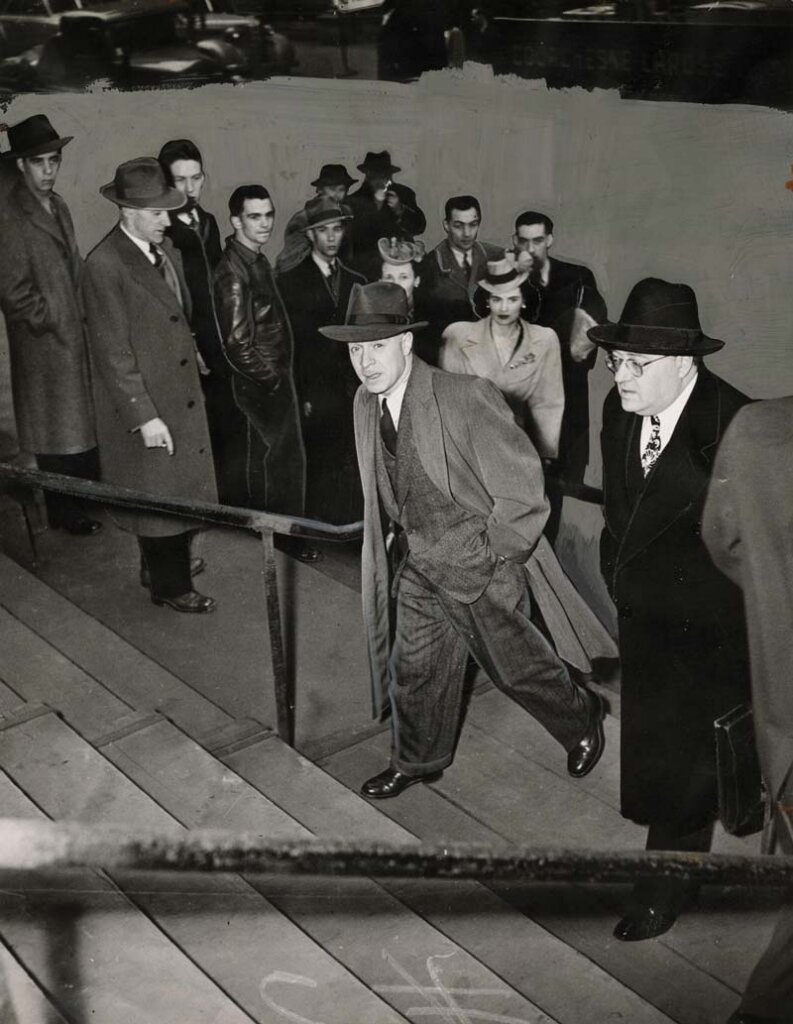
MP Fred Rose heads to court in March 1946 after his arrest. [Toronto Star Photograph Archive/Toronto Public Library/TSPA_0019481F]
Sam Carr, the national organizer of the LPP (the wartime name of the Communist Party of Canada), was also named as a key recruiter, but he had fled the country.
Of the 22 arrested in early 1946, 11 were found guilty; Sam Carr was arrested in the U.S. in 1949 and, like Rose, sentenced to six years. Others were acquitted on appeals, and several won their cases in court.
Did the acquittals throw doubt on the Gouzenko documents? Probably not: there were legal problems in accepting them and the government wasn’t always able to produce evidence in court that had been presented to the royal commission in secret. Moreover, if the accused didn’t confess to the commissioners, there was often little evidence against them.
This was largely what concerned civil libertarians: those arrested had been held incommunicado without the rights to legal hearings to determine if their detentions were warranted—the legal procedure known as habeas corpus.
They were also denied access to their families and often not allowed to secure legal advice. Plus, they were compelled to respond to questions from the commission.
Under the Inquiries Act, a royal commission was supposed to be a “searching investigation—an inquisition as distinct from the determination of an issue” and the witnesses, under Canadian law, couldn’t refuse to answer questions on the grounds that their responses might incriminate them. The only recourse a suspect had was to stay silent.
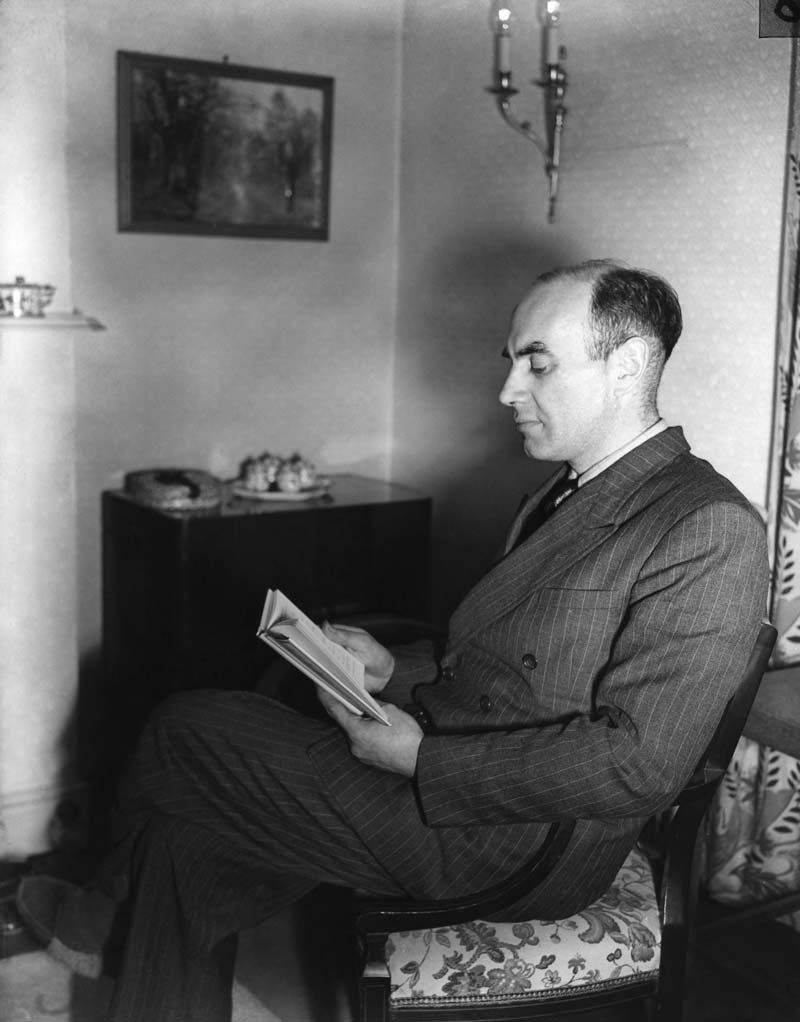
Soviet military attaché Nicholai Zabotin was identified as running the spy ring.[Toronto Star Photograph Archive/Toronto Public Library/TSPA_0019481F]
Progressive Conservative leader John Bracken denounced the government for refusing to allow the accused habeas corpus. The Winnipeg Free Press and The Globe and Mail accused the government of running secret trials and violating fundamental human rights.
The commissioners were often peremptory in dealing with the suspected spies, many of whom claimed a near total absence of recall, even when confronted with exacting details of their actions. The accused who withstood this type of questioning fared best when their cases went to court, as did those who vehemently demanded the right to counsel before the commission. Even still, the interim and final reports of the commission made public the names of the alleged spies and smeared their reputations before most of them were tried in court.
King agreed with much of this criticism. He had wanted the commission to work faster and wrote in his diary on Feb. 27, that, “I thought it was wrong that those who are suspected should be detained indefinitely…[and should not have] the full rights of protection….”
Opinion polls, however, indicated that Canadians believed the matter had been properly handled and made clear the public now had an unfavourable opinion of the Soviet Union.
Ultimately, the commission recommended that the government improve its security and prevent Communist infiltration. In 1946, the cabinet defence committee adopted the idea of a security panel, with senior representatives of key departments and agencies as members and headed by the clerk of the Privy Council.
The panel quickly produced recommendations that, when approved by cabinet, meant that an individual’s political views could be deemed sufficient for firing, being moved to a less sensitive position or denied employment in the public service. In other words, the state had the duty, and the right, to protect itself against subversion, and it would do so.
King, initially dubious about Gouzenko, had come to admire him. “I thought that he had done a great service,” said King in July 1946. “I appreciated his manliness, his courage and standing for the right.”
Meanwhile, the British and the Americans began to search for Communist infiltrators in their own civil services. And hostility between the Soviet Union and western democracies grew into a Cold War that would dominate the globe for almost 50 years. It had begun in Ottawa.
Advertisement