





4 February 1945
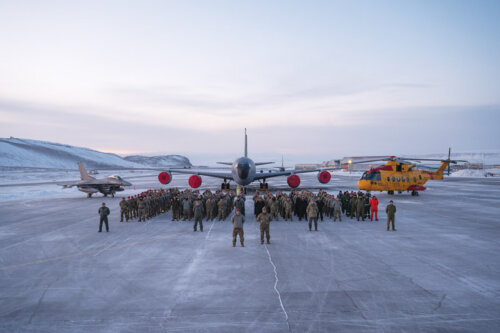
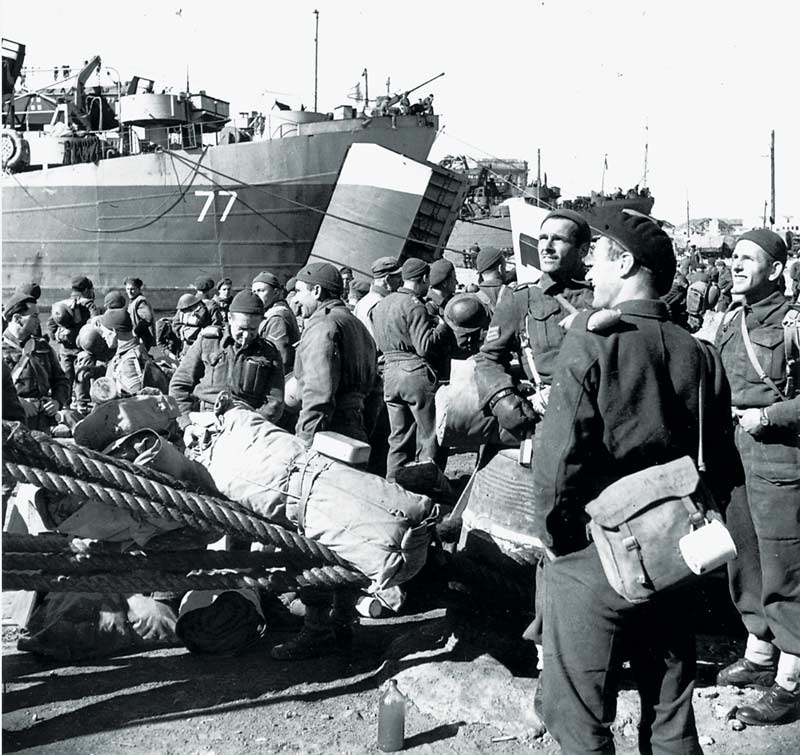
I Canadian Corps departs Italy to support the Allied advance in Northwest Europe.
Credit: DND
5 February 1856
The Victoria Cross, the Commonwealth’s highest award for military valour, is instituted.
6 February 1919
The last Canadian troops withdraw from Belgium.
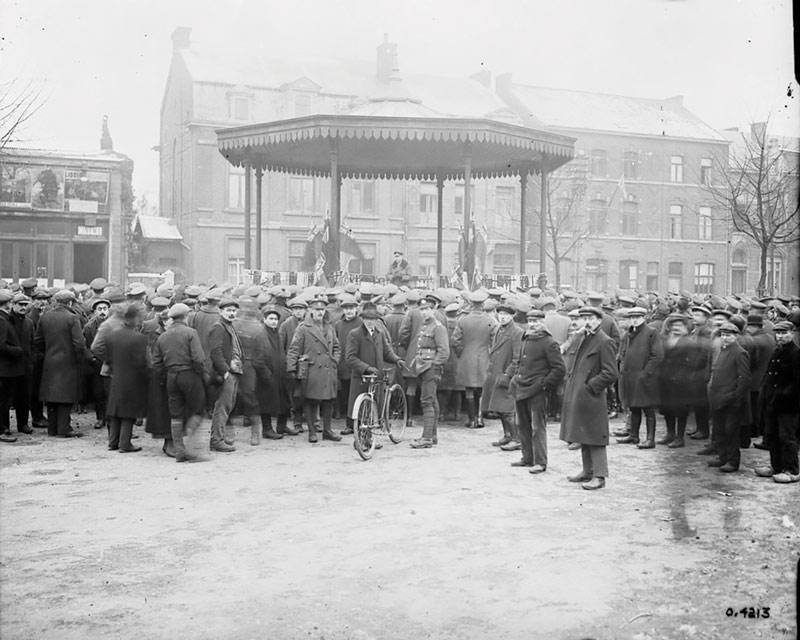
Credit: DND/LAC/3522606
7 February 1813
U.S. riflemen attack Brockville in Upper Canada, freeing prisoners, seizing stores and taking 52 hostages.
8 February 1944
Near Littoria, Italy, Tommy Prince, disguised as a farmer, fixes a broken communication wire right under enemy noses.
13 February 2005
Defence Minister Bill Graham announces a doubling of the 600 Canadian Forces personnel in Afghanistan.
15 February 1965
The navy lowers the white and blue ensigns for the last time on ships and shore, replacing it with the new Canadian Maple Leaf.
16 February 1944
In Burma, a wounded Maj. Charles Hoey leads his company under heavy machine-gun fire to capture a vital position; he is posthumously awarded the Victoria Cross for his actions.
18 February 2010
John Babcock, last living Canadian First World War veteran, dies.
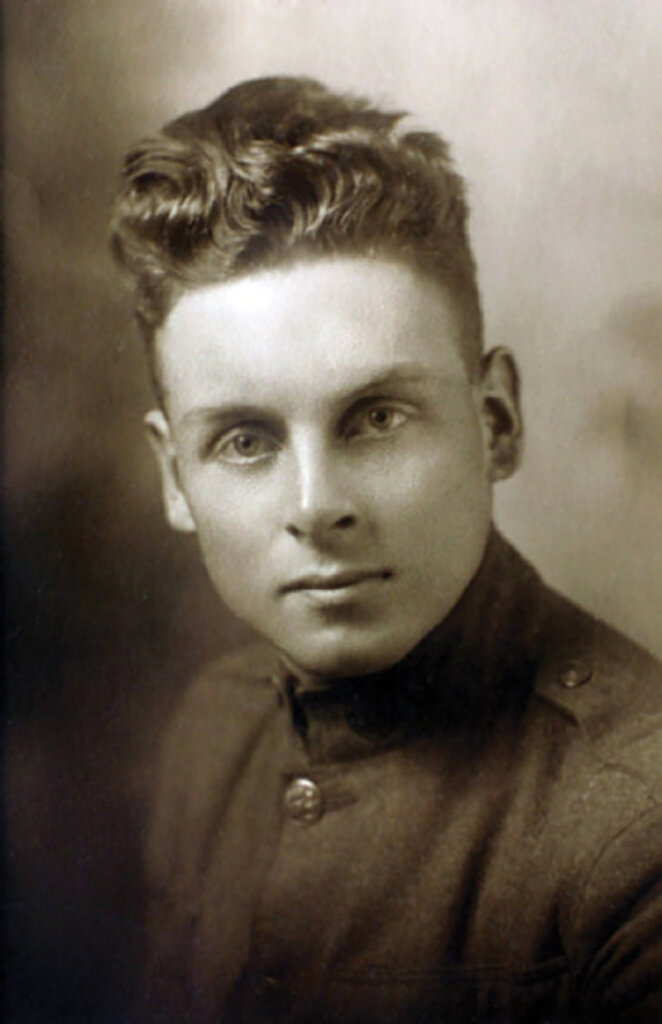
Credit: Wikimedia
19 February 1915
The Allies begin a naval attack on the Dardanelles.
20 February 1919
The Amir of Afghanistan is assassinated for supporting neutrality during the First World War.
21 February 1916
The Battle of Verdun begins.
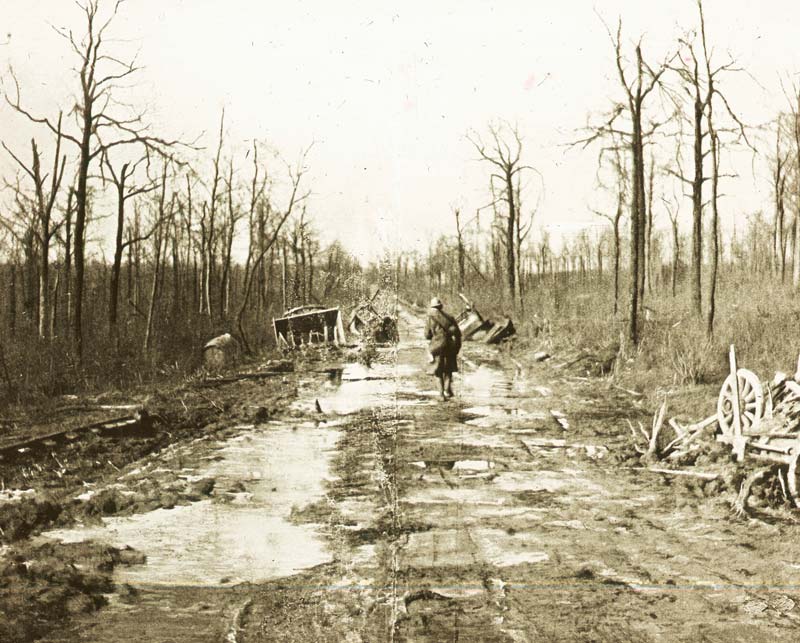
Credit: CWM/19790262-033
23 February 1909
Canada’s first piloted heavier-than-air machine flight takes off in Baddeck Bay, N.S.
24 February 1944
HMCS Waskesiu sinks U-257 in the North Atlantic.
25 February 1916
The 224th Canadian Forestry Battalion is authorized by the Department of Militia.
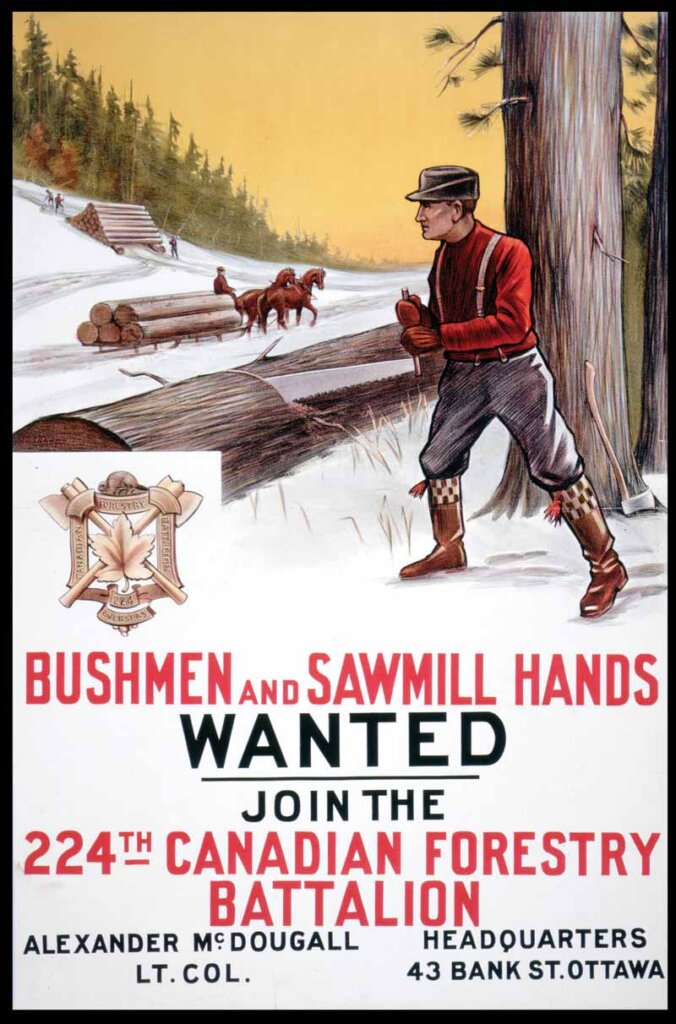
Credit: Archives of Ontario/Wikimedia
26 February 1943
Prime Minister Mackenzie King decides to nationalize the brewing industry—but a year later changes his mind.
27-28 February 1915
The Princess Patricia’s Canadian Light Infantry launches its first trench raid of the war, near Ypres, Belgium (see “17 different kinds of hell,” page 20).
Advertisement