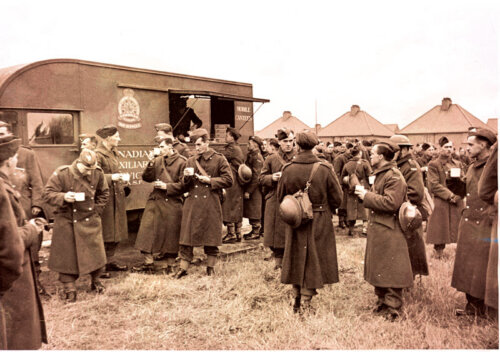




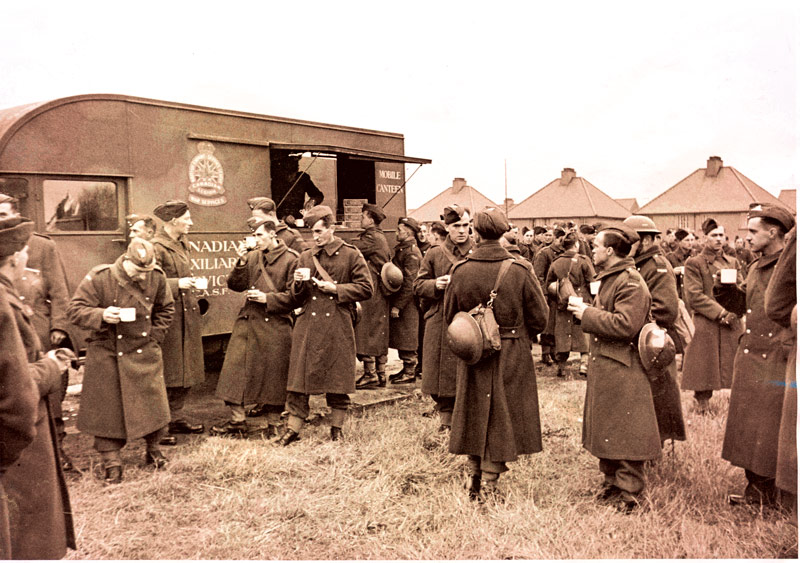
During WW II, the Legion operated mobile canteens. [Legion Magazine Archive]

A collector coin released in tribute to the Legion’s centenary. [Royal Canadian Mint]
On Aug. 17, 2024, I arrived back in Jasper, Alta., with my family after a month-long evacuation due to the July wildfires that burned a third of the town’s businesses and residences. Amid a drizzle, the smell of wet ash filled our car as we passed the charred husks of local homes. It was a grim scene—collapsed concrete, gnarled rebar and twisted siding snaked away from the debris.
My husband, son and I returned to our small west-end townhouse community to see first-hand that our home had been spared, but friends had lost their homes all around us. Nearby, most of another neighbourhood was gone. From the blackened ground bordering my backyard, I felt my chest constrict around each breath as I stared out at the destruction.
It was late afternoon. My parents, fellow Jasper residents, suggested we go to the local Legion for dinner. There, staff and volunteers were offering a meal to anyone who wanted one. It was critical support while restaurants and grocery stores raced through cleaning and repairs required to reopen.
But the Legion provided more than food. It was a place for Jasperites to gather and get their bearings. We stood in line with other locals and first responders. The place was packed.
“I looked out and saw people who had just lost their home. They had nothing left, and I saw them laughing and smiling because they were with their community,” said Keith Henderson, veteran representative, treasurer and service officer at Jasper Branch.
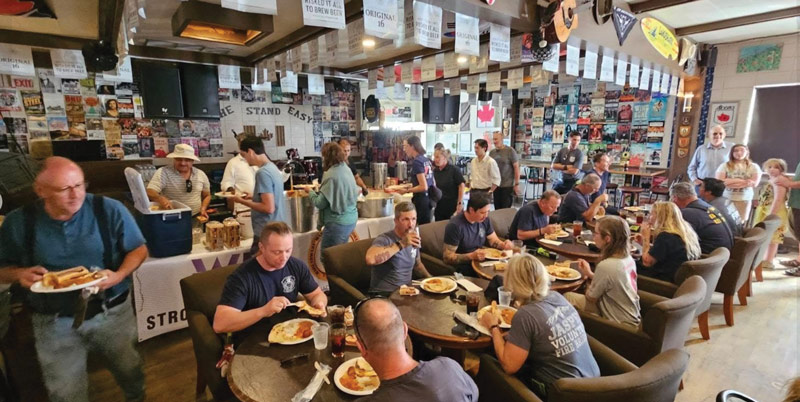
Community members enjoy a meal at The Royal Canadian Legion’s Jasper, Alta., Branch in August 2024. [Jasper Branch]
Legion staff and volunteers bustled around, clearing plates, delivering drinks, resting a hand on a shoulder. “If someone needs a hug,” branch manager Sue Henderson (Keith’s wife) told the serving team, “just stop. Talk to them.”
The Legion fed hundreds of people a day for nearly six weeks. “It was an honour to serve and take care of our community,” said Sue. To serve. These aren’t just words for the Hendersons.
Sue grew up in a family of soldiers, her father and grandfather both at different times members of the military. She worked and raised the kids with Keith while he trained and served with the Canadian Armed Forces in Afghanistan. Now, they have two sons in active service. And they helped rebuild the Jasper Legion from the brink of financial ruin to a vibrant community hub that’s known regionally—and beyond—for its service and support of veterans.
In doing so, the Jasper Branch, like many others across the country, thrives in a modern-day context, while upholding the legacy of The Royal Canadian Legion. For 100 years, more than 1,350 branches across Canada have served veterans and their broader communities. Each a hub of community charitable work, critical to emergency response and, in small towns such as Jasper, archives of local military history.
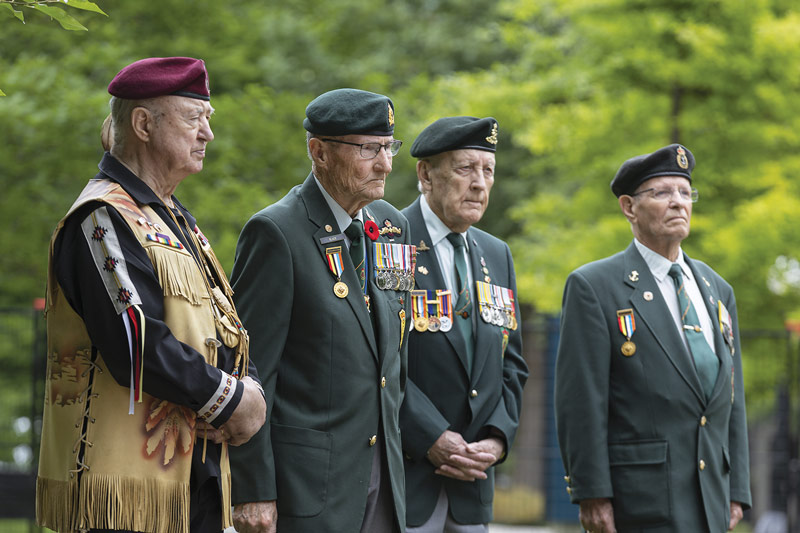
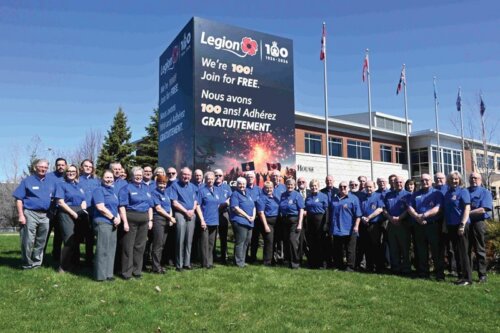
Today, the 100-year-old organization welcomes a wide range of members, from veterans to civilians. [Stephen J. Thorne/LM]
Maintaining branches in recent decades has been challenging work amid aging members, declining volunteerism, financial instability and addressing issues around inclusivity—for veterans of modern conflicts, Indigenous veterans and an increasingly multicultural country. But local Legions persist, many flourishing.
The Canadian Legion was incorporated by a special act of Parliament in July 1926. It was formed by the merger of existing veterans’ organizations, including the prominent Great War Veterans’ Association. It similarly aimed to support veterans, advocate for their rights and promote remembrance.
Those needs were clear following the First World War in which more than 650,000 Canadians and Newfoundlanders served, over 172,000 were wounded and some 66,000 were killed. The horror of the Second World War was still to come: one million-plus Canadians served and more than 44,000 died. As that conflict progressed, Legion branches across Canada mobilized to aid returning service members and provided a place for veterans and their communities to gather.
Gathering in the aftermath of trauma can be vital in healing. In the decades and conflicts that followed WW II, Legions hummed with volunteer activity. Membership was high.
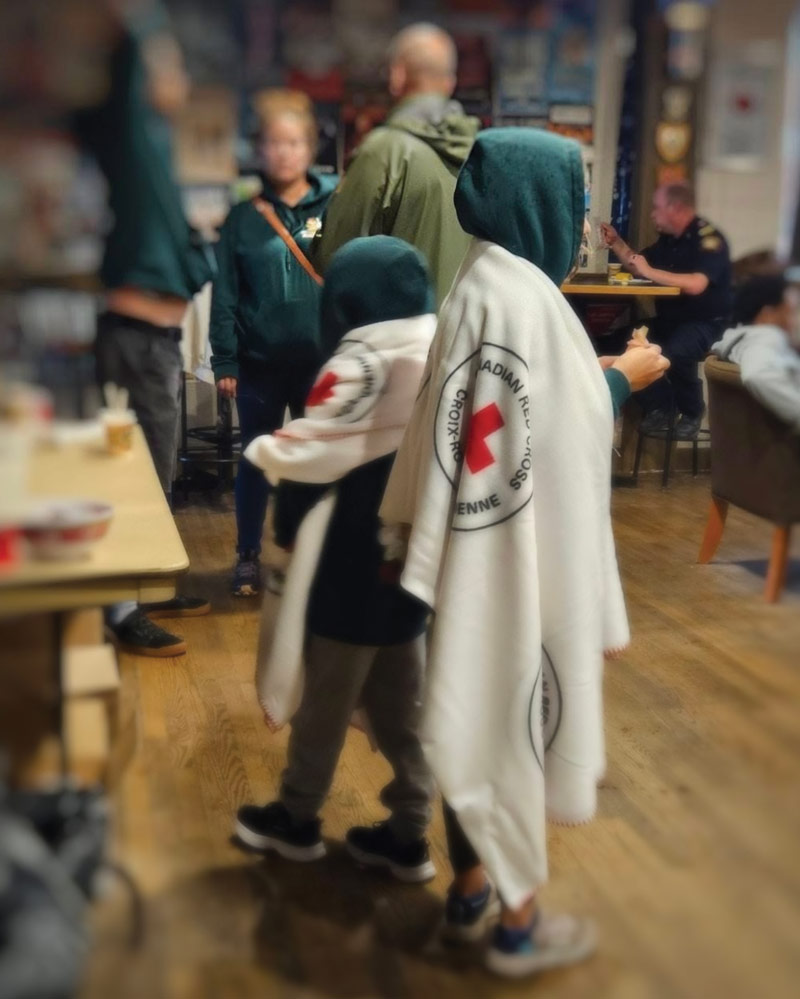
In the aftermath of the 2024 fires in Jasper, Alta., the Legion branch provided meals exclusively to first responders and locals.[Jasper Branch]
“In the early ’70s, Jasper had a population of about 3,000 people, and the majority of adults were members of the Legion,” noted Keith Henderson.
As a Jasper kid born that decade, I grew up in the branch, eating Hawkins Cheezies and playing shuffleboard while the adults caroused. I drew poppies for the national youth remembrance contests. I ran my hands over the name of my great-uncle Neil Kennedy, pilot and warrant officer 1st class, on a patinated brass plaque on the Jasper Cenotaph.
Neil’s sister, my grandma, was a Legion member for more than 50 years—she baked thousands of lemon squares for branch fundraisers. I never knew her husband, my grandpa Charlie Wilson, who died at 50. He survived the war, but post-traumatic stress played a role in his early death. I felt the effects of the war all around me. I also understood, though, that one of the antidotes to the corresponding sadness was to gather with people who could relate.
As the years passed, Legion branches became community hubs where locals celebrated wedding anniversaries, birthday milestones and retirements. Branches offered affordable venues, easing financial stress from important moments of remembrance and jubilation in people’s lives.
Beyond community gathering spaces, Legions also became local headquarters for emergencies, fundraisers and rally points for emerging crises. Many branches, for instance, assisted Ukrainians who fled to Canada following Russia’s full-scale invasion of their homeland in 2022.
One of the Legion’s central roles is to support veterans and their families. Trevor Jenvenne is a veteran of both the Canadian Armed Forces and the RCMP. He’s also one of the organization’s three national-level vice-presidents and a member of Lac du Bonnet, Man., Branch. Jenvenne took early retirement when PTSD led to his medical discharge from the RCMP at the height of the COVID-19 pandemic in 2020.
“I was losing my job, my livelihood, my career,” said Jenvenne of the turbulent time. It was hard to know where to look for help or how to start he said. He turned to the Legion.
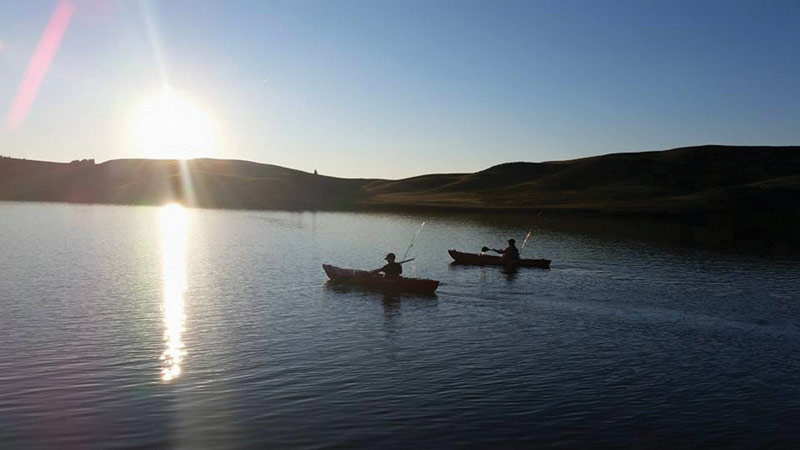
Among Jasper Branch’s programs is Veterans Adventures, which helps veterans explore the local national park.[Jasper Branch]
“The Legion did my Veterans Affairs claim for me, and I didn’t have to worry about it,” he related. “I couldn’t have muddled my way through my claim in the state that I was in.”
Not only did his provincial service officer help him with that claim, but also revisited a past claim related to an injury that had been denied. They found an error in the adjudication process and worked to have it overturned. It was a process that helped Jenvenne find solid ground in uncertain times.
Said Jenvenne: “The Legion doesn’t broadcast enough how many veterans it actually helps.”
Helping other veterans can also be part of the healing process, said Jasper’s Keith Henderson. Working to strengthen his branch’s veteran support system helped Henderson “feed the animal inside that was hyper-vigilant and needed to do something that mattered,” when he retired from service.
As a local service officer, Henderson helps both veterans and their families. He recently helped my dad and I with the war medals of great-uncle Neil and grandpa Charlie to ensure we understood what they were, make certain we had all the honours they had earned and that we cared for them properly.
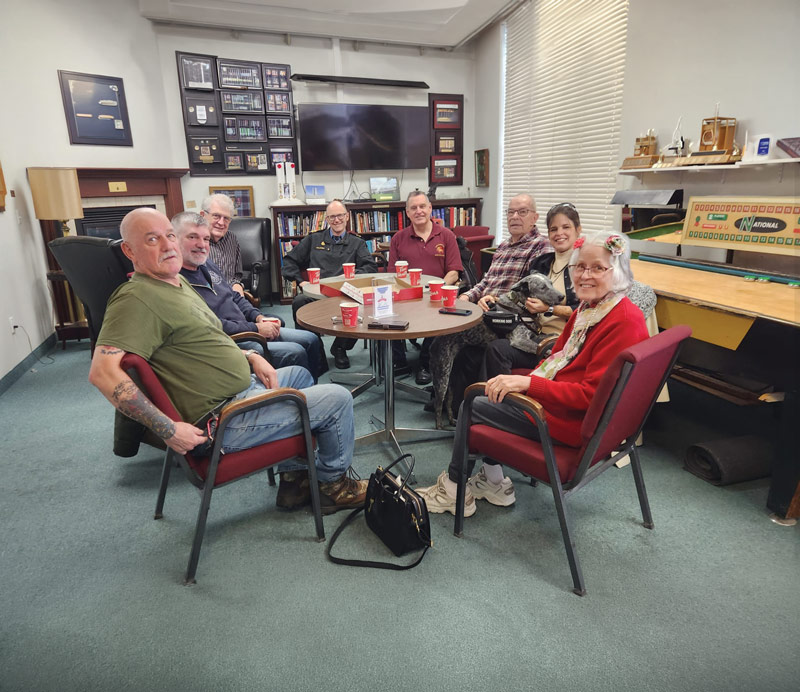
A Buddy Check Coffee event at South Carleton Branch in Manotick, Ont..[RCL]
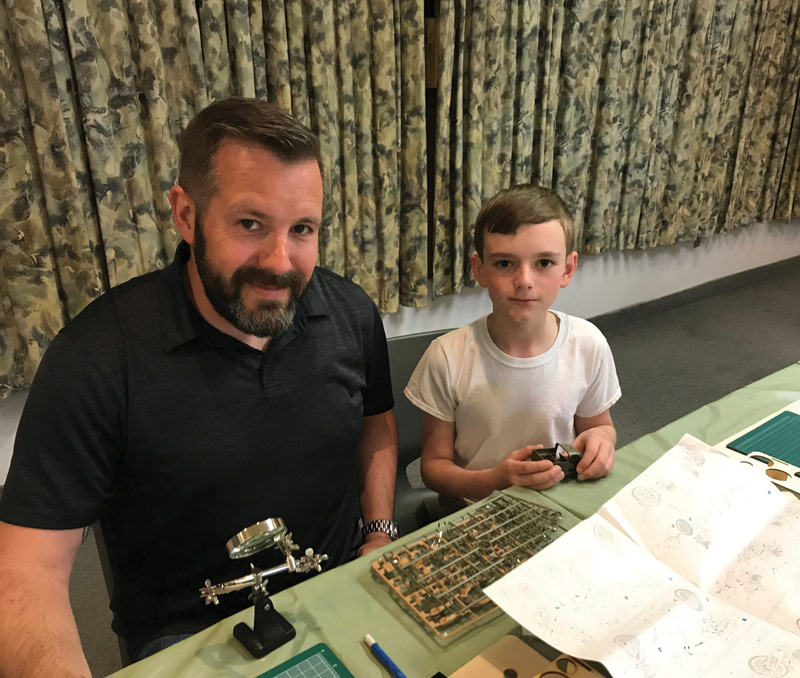
Jason Salo a retired reservist and military policeman, participates in Operation VetBuild. [Facebook.com/people/Buddy-Check-Coffee/100067176634468]
Henderson also founded Veterans Adventures Jasper, a branch program dedicated to improving the physical and mental health of veterans, first responders and their families through outdoor activities in Jasper National Park. He started the initiative after hearing about (and eventually meeting) a young veteran who had been sleeping in his car so he that he could afford to go fishing in the park. “He was trying to find his moment of peace,” Henderson explained.
Henderson wanted to help make it easier for veterans to access the local outdoors. “The world doesn’t realize that when we retire or leave the service, we have to turn in our sleeping bags,” he noted. All camping and survival gear is returned. And other gear, such as canoes and kayaks, may be too costly, or veterans may be living in accommodations where there’s nowhere to store it. They may be dealing with PTSD or other mental health issues that make it hard to plan a trip, he explained. Or they may be working and just need to get away.
“Well, we can provide that,” he said. “We’re kind of like a regimental quartermaster in the mountains.”
The Legion helps support similar peer-to-peer initiatives across the country, such as Operation VetBuild. It allows veterans to connect with others through hobbies like scale model building kits. And the organization’s national operational stress injury special section offers “outreach, peer support, and referrals for veterans and families affected by operational stress injuries including anxiety, depression, PTSD or other mental health issues.” A popular program is Buddy Check Coffee, a peer-support service typically run by veterans that promotes connection with one another through informal get-togethers.
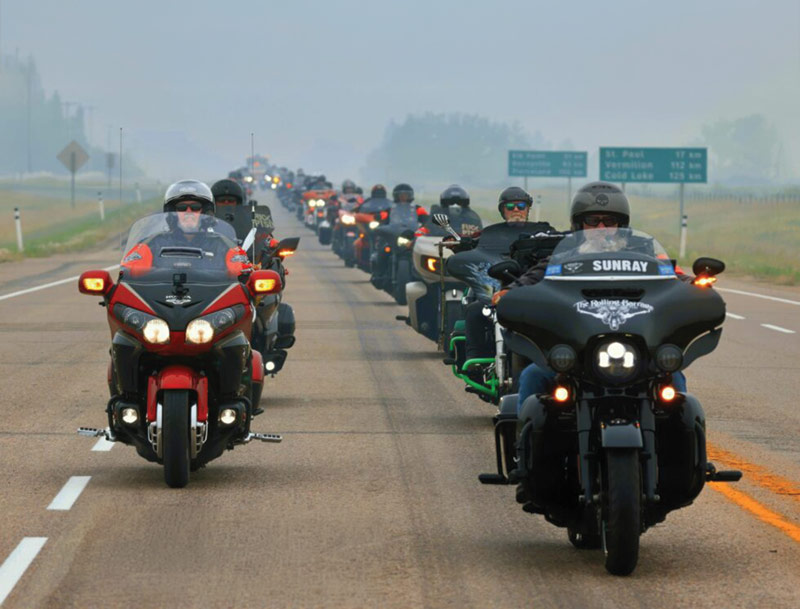
The Rolling Barrage motorcycle ride are among the many community initiatives supported by Legion branches over the years.[The Rolling Barrage]
“The Legion is a very crucial part of veteran wellness,” said Scott Casey, who served as a peacekeeper in Croatia and Bosnia and Herzegovina in the 1990s. Casey is the founder of The Rolling Barrage, which raises awareness about PTSD among active or retired CAF, first responders and medical professionals, primarily through an annual coast-to-coast motorcycle ride. The non-profit has relationships with several Legion branches across the country. I met Casey at the Jasper Legion Mess Gala on Nov. 9, 2025.
I found my name tag at a place setting amid many of the Barrage’s original participants and was instantly welcomed among the active and retired RCMP, ex-military and families dedicated to the cause—with good-natured conversation and a friendly prank. I quickly learned that, at this gala, no one leaves their name tag unattended unless they want to provide an impromptu performance.
My tag disappeared almost immediately. Moments later, I was asked to come to the head table mic to explain why I was writing this article. But there was a catch: I need to curse while doing it. This was less of a problem than someone who just met me might realize—I was welcomed back to my table with resounding applause and a high-five from Casey.
It’s easy to see how important events like this are for the veterans and first responders who attend. There’s laughter, stories and a shared sense of knowing and experiences. Casey hopes this kind of connection between younger veterans and Legion members continues to grow.
“There’s been a disconnect between the Legion and veterans over the years,” he said. Most Canadians don’t have the same level of personal connection to veterans of modern conflicts as they did with those who served in WW II and some branches are, often by necessity, run with little input from veterans. Newer veterans aren’t recognized in society in the same way as their predecessors, said Casey, adding that part of the problem is the terminology the federal government uses to classify recent conflicts.
“Afghanistan is not considered a war, but a ‘Special Duty Area,’” noted Casey. “By calling it a Special Duty Area, it diminishes the war veteran’s sacrifice.”
National Legion VP Jenvenne agreed that more work is required to get younger veterans involved in the organization beyond Remembrance Day services. But it’s a tricky balance, he noted. While branches need to get better at welcoming veterans of recent conflicts, they also increasingly need more of the general public to become members to keep operating. Every year, more branches close, such as Vimy Branch in Halifax, which shuttered this past January after 99 years. To stay open means continuing to stay relevant in the community, said Jenvenne.
“Society itself has evolved,” he noted, “and the Legion has to evolve along with it.”
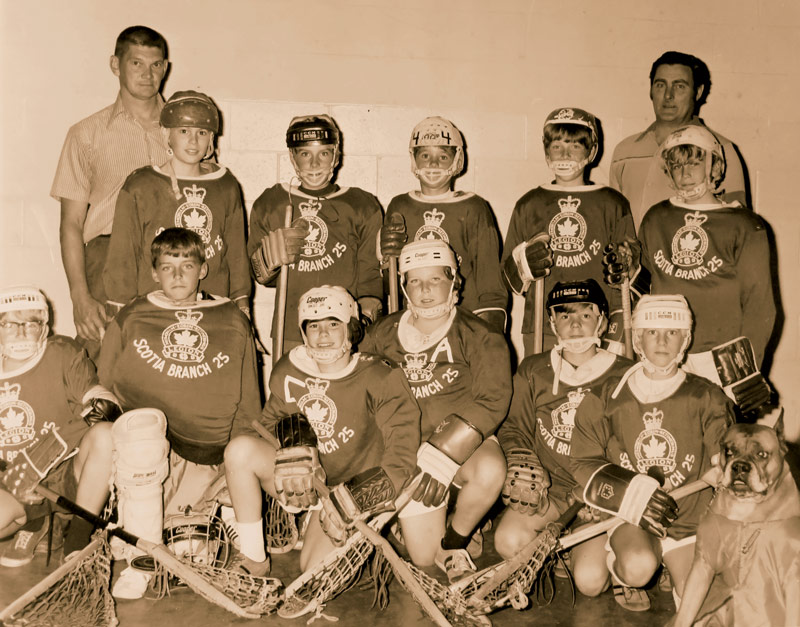
Youth activities and The Rolling Barrage motorcycle ride are among the many community initiatives supported by Legion branches over the years. [Legion Magazine Archive]
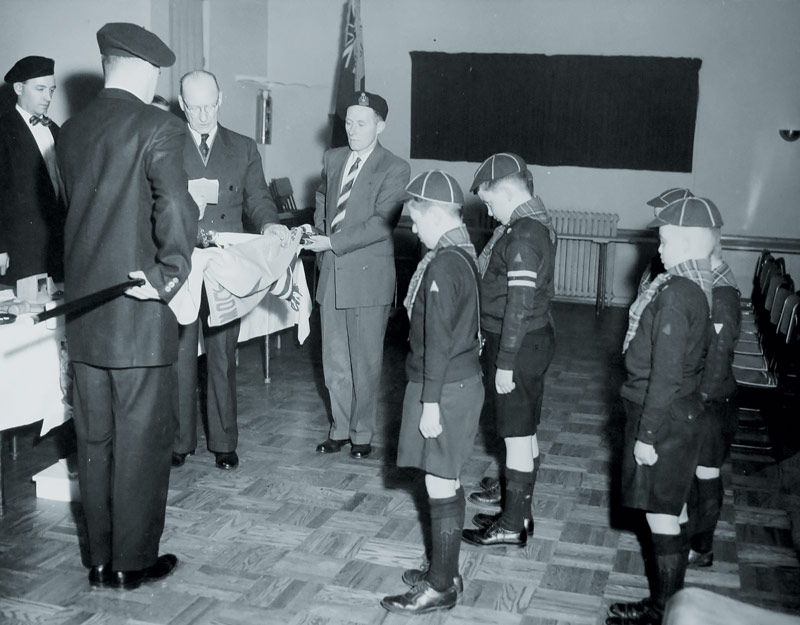
[Legion Magazine Archive]
The only time you can wear a hat in the Legion’s Maple Ridge, B.C., Branch is when you’re line dancing to a country song that requires a tip of a Stetson. Otherwise, hats off.
“We’re more of a traditional branch that way,” said its administrator Kathy Gallagher. Removing your hat is considered a sign of respect for veterans and those still serving. But the line dancing? Well, that’s one of the many events Gallagher’s Legion offers to more than 2,000 members—one of the largest memberships of a single branch in the country. And one that has been growing in recent years.
Many branches across Canada, like Maple Ridge, are thriving with evolving business models that aim to protect and enhance service to veterans and their local communities, while encouraging new membership and patronage through a wide variety of programs. From the Maple Ridge Branch to representatives of others I spoke to, such as the Edward MacDonald Branch in Angus, Ont., and the St. James Branch in Winnipeg, there’s an event for seemingly everyone: meat and 50/50 draws; bingo and cribbage nights; live bands, dances, dance lessons and Zumba classes; celebrations of Halloween, St. Patrick’s Day, the Grey Cup, the Super Bowl and Canada Day; Robbie Burns dinners, wing nights and 55+ club socials. And much more.
At St. James Branch, they have hired a special events co-ordinator and are hosting flea markets.
“If you have a good idea, you have to try it,” St. James Branch President Mike Thayer, a veteran, told Legion Magazine. Thayer’s Legion has experienced an uptick in membership sales when it tied them to reduced ticket prices for weekly Friday night dances.
For its part, the branch in Angus, Ont.—the only large event space in town—focuses its entertainment bookings on younger people as much as possible. “That draws them in, and our membership has actually grown,” said Branch President Howie Hipwell.
As branches have diversified their offerings, many have strengthened their veteran services. For instance, the Maple Ridge, B.C., Branch partners with the BC/Yukon Legion Foundation to assist veterans with housing. It recently worked with the city to designate a crosswalk—boasting the words “Lest We Forget” in white letters on a red background—as a daily reminder to residents of the sacrifices of veterans and those still serving. In addition to supporting several veterans’ charities and hosting Buddy Checks, it runs a veterans’ dinner open to all. And it co-ordinates historic presentations, such as one in October 2025 focused on the 1,975 Canadian personnel sent to defend Hong Kong in late 1941.
The daughter of a veteran who was taken prisoner during that fight presented a plaque to the branch in commemoration of his service, said administrator Gallagher. “Those are very moving times, when you see and hear those stories.”
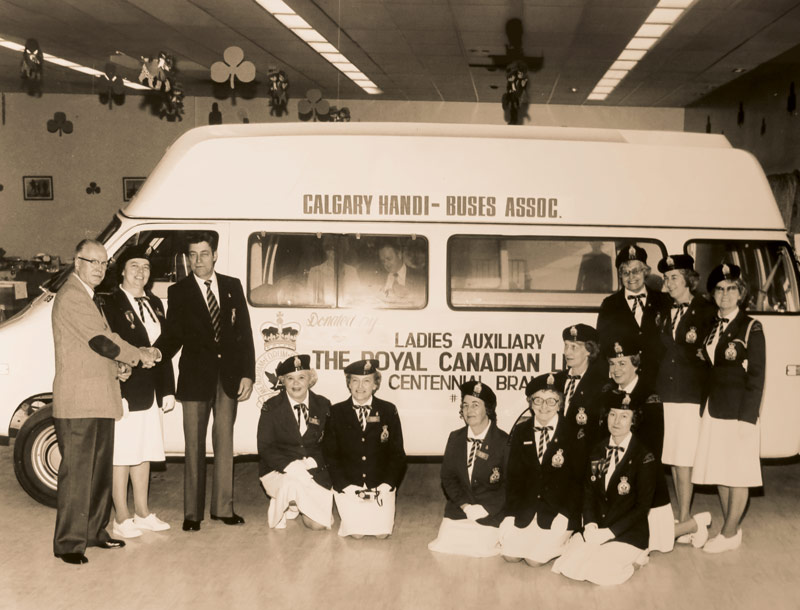
Members of The Royal Canadian Legion Ladies’ Auxiliary pose with a mobility bus they sponsored in 1979. [Legion Magazine Archive]
Such new initiatives join programs long supported by branches. Legion youth programs promote sport, education and leadership.
“We support minor soccer, minor hockey and minor baseball,” said Hipwell of his branch in Angus, Ont. It provides financial donations to help purchase uniforms and equipment. And monetary support often extends to scholarships and bursaries at Legions across the country.
They also support other youth groups that strengthen leadership and learning opportunities such as cadet programs and the Junior Canadian Rangers. Veteran Sheri Gee has run the Junior Rangers in Valemount, B.C., out of the local Legion since 2012.
These programs are foundational to many of the youth who participate, setting them up with skills and support for the next chapter of life, said Gee. “I’ve written letters for them to go to universities,” she noted, adding that kids in such groups are eligible for scholarships and sponsorships through Canada Company, a charity that supports cadets and military families.
“It’s just amazing the amount of change it makes in their lives,” said Gee.
Her comments prompted me to ponder the ways that the Legion shaped my own life. There was my grandmother’s memorial, when many in attendance lined up to place red maple leaves by her photo to honour her service to the branch’s ladies auxiliary. There was the packed hall at my parents’ 25th wedding anniversary celebration. There were so many times I brought my son to the branch for family nights out and Christmas parties. (I still laugh at the time a friendly and mischievous bartender offered my 11-year-old son and two of his buddies a giant chocolate bar if they were willing to eat a pickled egg. The incentive was too tempting to turn down. And the grimaces on their faces as they earned their prize was quality entertainment.)
But my Legion, like so many branches across Canada, looks different today, too. Now I know living veterans who help deepen my understanding about the cost of war and how the kinds of conflicts that Canada engages in affects the treatment of those who served after they return. Sometimes on busy nights, those veterans informally keep watch over the crowd, making sure everyone is safe. And when a band plays at the Jasper Branch these days, the crowd looks a little different than it used to: the Legion crowd has grown to include people of all ages, ethnicities and backgrounds.
Jasper Branch manager Sue Henderson told me that in the years to come, she wants to keep growing our Legion as an open community hub and a place that champions volunteerism. As the town continues to rebuild from the 2024 fire, Henderson wants the branch to be a pillar amid whatever the future holds. Most importantly, she wants the Legion to be a safe place for all who serve and have served this country.
“Knowing what my grandfather, my father, my husband, and now my two sons have done,” said Henderson, “I need to keep this place open.”
Niki Wilson is a freelance writer based in Jasper, Alta., and a member of the local Legion branch.
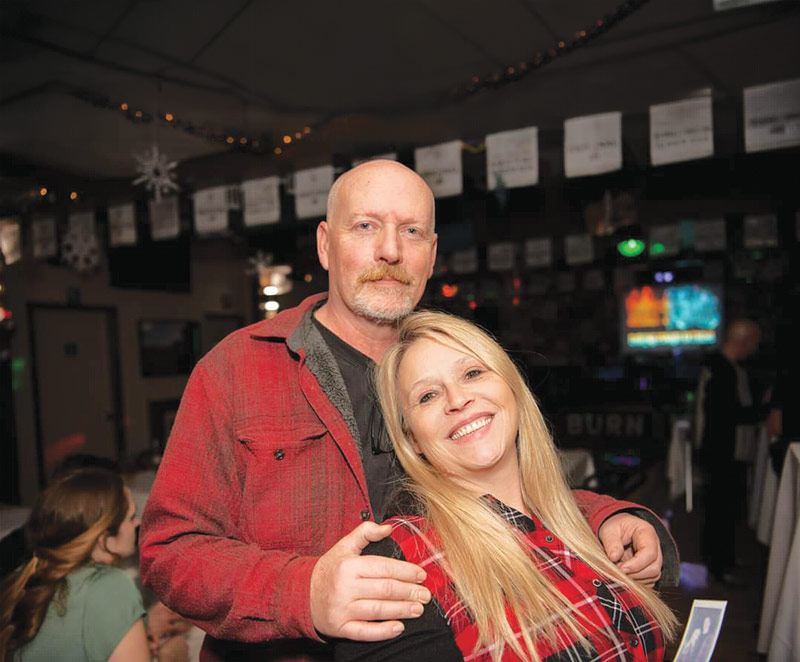
Keith and Sue Henderson of Jasper, Alta., Branch. [Jasper Branch]
Advertisement