





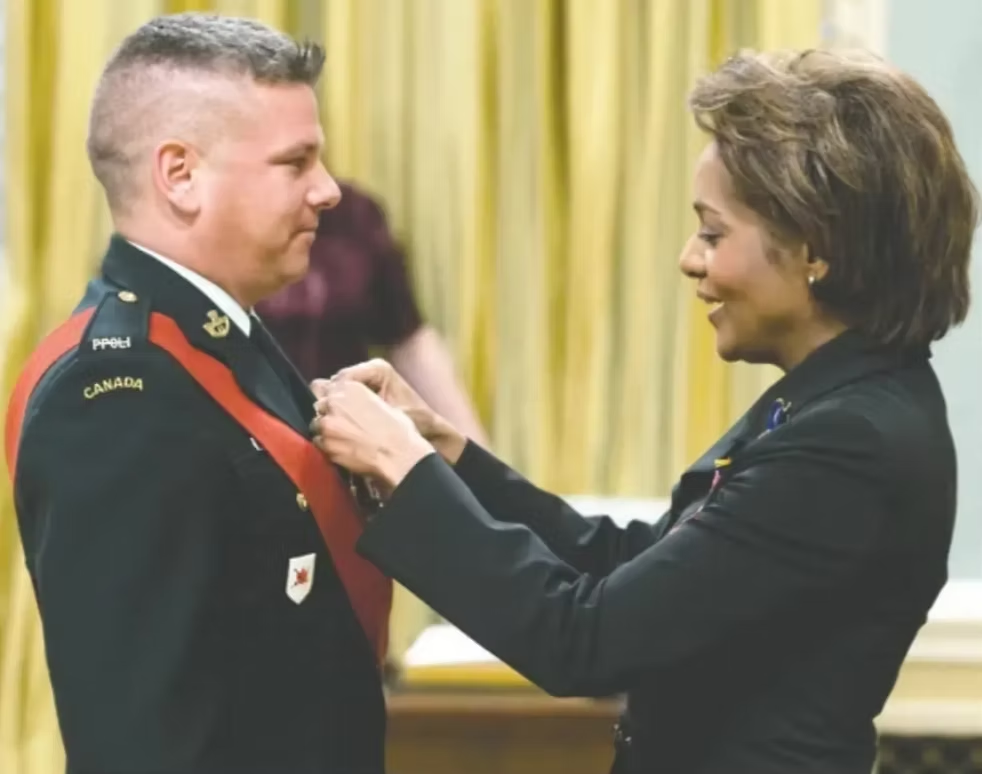
Gov. Gen. Michaëlle Jean presents William MacDonald with the Star of Military Valour on April 4, 2008. [Valour in the Presence of the Enemy]
Retired master warrant officer William MacDonald remembers the Afghan heat and dust that enveloped his platoon on Aug. 3, 2006. Above all else, he recalls the maelstrom of Taliban fire amid the Battle of the White School.
His comrade Corporal Chris Reid had been killed by an improvised explosive device that had devastated his vehicle earlier in the offensive. And some 200 insurgents had engaged in a fierce resistance, prompting an assault force predominantly comprising Charlie Company, Princess Patricia’s Canadian Light Infantry (PPCLI), to push across an open field toward two outbuildings.
MacDonald, a sergeant at the time, watched the situation deteriorate. Positioned on the right flank with the C6 machine gun team to provide covering fire, it soon became evident that the beleaguered troops ahead required further assistance.
“I felt like I had to get there to help,” MacDonald told Legion Magazine. “My mission at that point was to get that machine gun closer into the fight.”
The Regina-raised soldier chose not to order his team into the fray, instead informing them he would go himself and giving them moments to decide whether they wanted to join him. Corporal Bryce Keller and Private Mark Bedard agreed. And, so, the men leapt into the firestorm.
“I don’t know how we made it without anybody becoming a casualty,” said MacDonald. “There were bullets skipping at our feet and RPGs coming at us.”
The scene they found at the outbuildings was nothing short of perilous. Private Kevin Dallaire was badly wounded, “shot right underneath his front plate in his body armour, in the lower abdomen,” reported MacDonald. Others, meanwhile, were overcome with heat exhaustion as the remaining force grappled with faulty radios and other complications. Then came a direct hit from a rocket-propelled grenade.
“The blast threw me across the room,” MacDonald continued. “There was smoke and dust floating around, and I’m thinking to myself, what the hell just happened?”
Such thoughts were still running through his head when a second strike hurled him backward again, “and that’s when the screaming and yelling started. I can hear my name being called.”
Struggling against his survival instincts, MacDonald answered the call, vaulting into the adjacent building and inadvertently landing on the bloodied foot of his platoon leader.
Just outside, Sergeant Vaughan Ingram was in “terrible shape. He had an unopened field dressing in his hand, and he was putting it on Bryce Keller, who was very clearly no longer with us. Vaughan basically just says, ‘I think I’m slipping, boys,’ then his head drops to the side, and I knew he was dead.
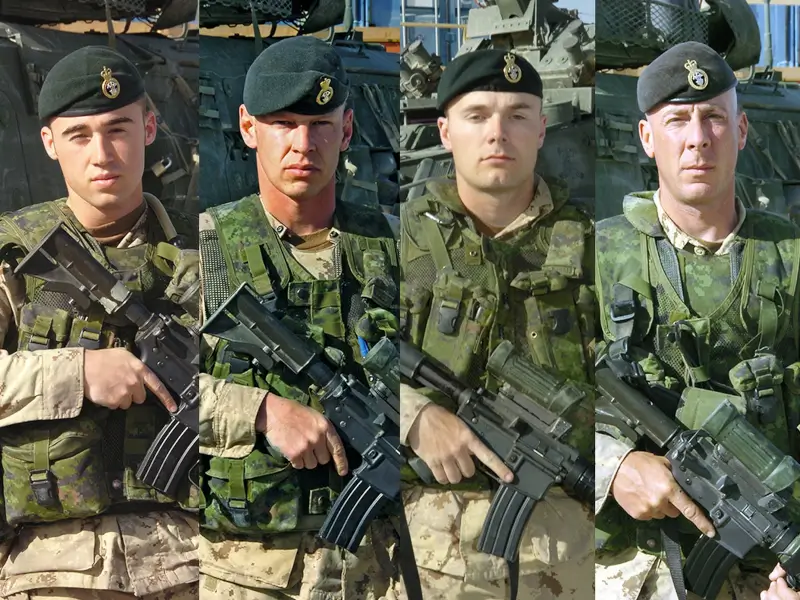
(Left to right) Private Kevin Dallaire, Sergeant Vaughn Ingram, Corporal Bryce Keller and Corporal Chris Reid all died during the Battle of the White School in Afghanistan on Aug. 3, 2006. [DND]
“I had a different mission now,” MacDonald affirmed, having realized that Dallaire, too, had died. “I had to keep the people who were still alive, alive.”
His citation for the Star of Military Valour—Canada’s second-highest military decoration—details what happened next. Awarded on April 4, 2008, it describes how MacDonald “selflessly and repeatedly exposed himself to great peril in order to assist his wounded comrades. Despite the risk, he ensured that his men held on until reinforcements arrived and that the platoon’s focus remained on holding the ground that they had fought so hard to secure.”
This year, a largely grassroots campaign to upgrade MacDonald’s medal to Canada’s never-before-issued Victoria Cross, which replaced its Commonwealth counterpart more than three decades ago, has gained traction. Spearheaded by the advocacy group Valour in the Presence of the Enemy, it’s possible that MacDonald could join a cadre of Canadians borne in bronze, a feat not witnessed since the end of the Second World War.
Here, in a Legion Magazine exclusive, MacDonald reflected on his exploits in Afghanistan and hesitations about carrying the weight of the VC.
On his early life and military career
My father was in the air force, his father was in the army, and my mom’s father was in the air force as well. So, my family’s military ties are extensive, although when I later joined the military, it really didn’t have anything to do with that.
I was born in North Bay, Ont., but my mom left my dad before I was a year old, and we moved to Regina, where my grandparents had retired. Fast forward to 1989, and my best buddy at the time said he was going to join the reserves and wanted to know if I’d come along. That’s kind of what pulled me in.
My buddy’s dad had been in The Royal Regina Rifles, so that’s where we went. At first, being a 16-year-old kid getting screamed and yelled at was a culture shock, but you then get to appreciate the camaraderie and being part of something.
There wasn’t an awful lot going on in the Canadian Forces at that time, other than Cyprus, at least until the Balkans got spun up in 1992. It wasn’t until I served overseas [initially in Bosnia] that I got a tap on the shoulder and asked if I wanted to join the regular army, so I did. I transferred to PPCLI, where I did further tours in Bosnia and Kosovo, and in 2006, Afghanistan.
On his initial experiences in Afghanistan
I was in a reconnaissance platoon when we deployed to Kandahar. When we first got there, we had freedom of movement throughout the battle space. Our colonel expected us to go and kick a few nests and see what fell out, so we did just that. We also had to collect the remains of Captain Nichola Goddard when she was killed [on May 17, 2006—the first Canadian female soldier to die in combat].
Otherwise, nothing super significant happened to us until the first week of July, when our platoon got into its first big engagement with the Taliban. From that day forward, it was almost every day that we were in an actual gunfight. We thought we could take on the world until Aug. 3. That was the day when I was like, God, I guess this is what it’s really like.
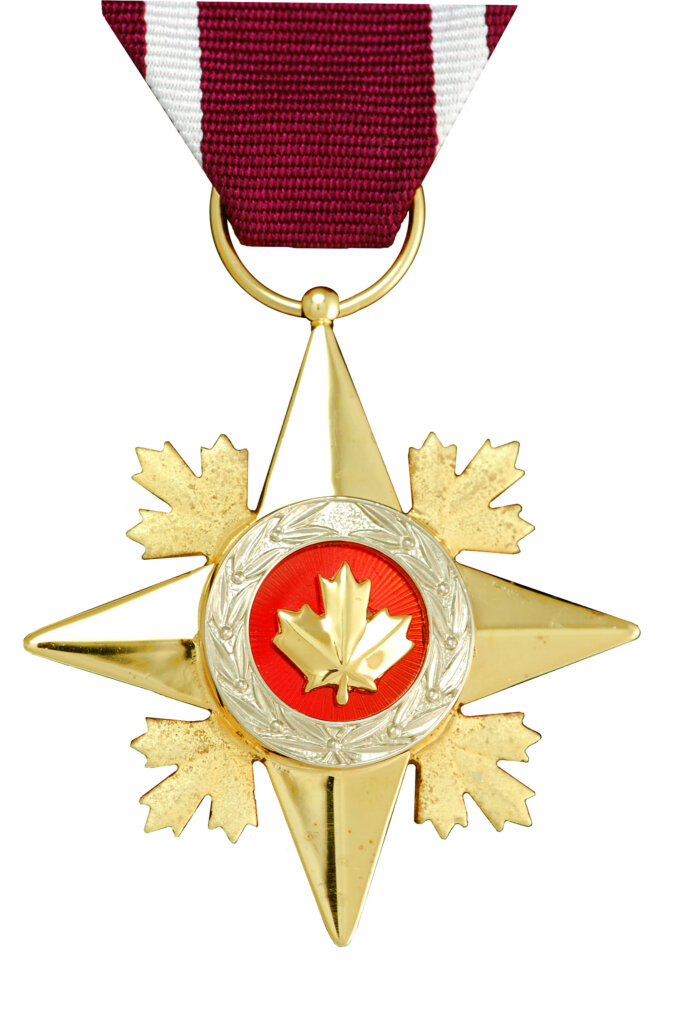
The Star of Military Valour recognizes acts of valour, self-sacrifice or devotion to duty in the presence of the enemy. It is Canada’s second-highest military decoration. [Government of Canada]
On earning the Star of Military Valour
I was a little bit in shock when I got the letter congratulating me. A lot of people were happy for me, even folks who were there that day in Afghanistan and said, “Hey, Willy, you know you deserve this and more.”
Yet there were moments during that battle when I just wanted to roll over and die. Things get to a point where you’re overwhelmed, you’re faced with the indecision of what to do and the easy path is to just give up. I was ashamed for years that those thoughts went through my head. I didn’t feel like I was being a leader that day—I was just kind of reacting to the circumstances.
Really, ego is what allowed me to function. I’ve had people say to me that my professionalism, care and concern for those soldiers is what led me to do that. Maybe they’re right, but it doesn’t mean that I haven’t had feelings of guilt over my performance and whether I could have prevented anything or helped anybody to continue breathing that day.
On the awarding ceremony
Obviously, there’s a certain amount of pride because my sister, my mom and my mom’s partner were there.
Whether you like it or not, you’re now a spokesperson for that day, one of the focal points of the battle, and since then, my mission has always been to ensure that the names of the fallen aren’t forgotten. I have to live a good, full life and honour their sacrifice.
What meant the absolute most to me was that Bryce Keller’s family was there.
I had bumped into them in the hotel lobby beforehand and I remember being speechless and awkward. I was trying to figure out what to say because there’s nothing you can say. But they basically took charge and said, “Hey, Willy, we want you to know that we don’t blame you for what happened to Bryce.”
That kind of absolved me of some of the guilt I had over his death. He hadn’t wanted to come, and I had convinced him to. And he ultimately lost his life.
That interaction with his family meant so much to me, more than the medal. I would say that I was more pleased to have played a role in Bryce Keller being awarded the Medal of Military Valour posthumously than receiving my own.
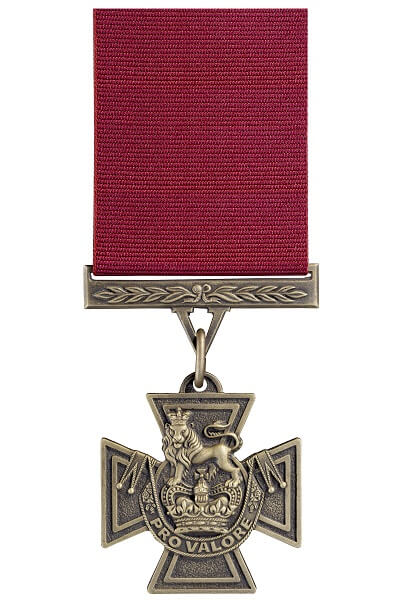
Canada created its own version of the Commonwealth’s highest military honour, the Victoria Cross, in 1993, though the medal has never been awarded. [Government of Canada]
On efforts to award him the Victoria Cross
I have mixed emotions about it. I certainly would never lobby for it myself. Nor do I believe that I’m deserving of it. Bruce Moncur and Rick Hillier of Valour in the Presence of the Enemy are really the driving force of the initiative.
I’m humbled that people feel I’m potentially worthy, but I can’t help but envision that moment when they congratulate me for being awarded the Victoria Cross. What then? There’s no playbook for that.
I worry that there would be a perception that it had been awarded just for the sake of doing it, not because I’m worthy. I don’t want to live with that if that’s why, man. I’ve already lived with the Star of Military Valour for 16 years.
I’ve been vocal about saying I’m not interested, but several people have said to me, “Well, did you ever think that maybe it’s not about you?”
I’ve worn a blue beret, so I’ve been a peacekeeper. I’ve worn a green beret on a NATO mission, so I’ve been a peacemaker, and now, since Afghanistan, I’ve been a war fighter, and that’s kind of the dream. But I’d give all of it back for the lives of my friends.
This interview has been edited for brevity and clarity.
Advertisement